Discover Products, Get Discovered.
Individuals find the right products. Businesses reach the right audience. One platform, free for both.


Individuals find the right products. Businesses reach the right audience. One platform, free for both.
Almost 100 African companies were at Moonshot 2026 in Lagos. We went through every one: the problem it solves, what it has built and how it is shaping African tech.
•29 min read

Two exhibition halls at the National Theatre in Lagos ran out of space before Moonshot 2026 was over.
Over 7,500 people came through TechCabal's flagship conference on 28 and 29 October, and almost 100 African companies set up a booth, sponsored a stage, pitched on TC Battlefield or ran part of the experience.
So we went through every single one of them.
We checked their websites, their apps, their social pages and the press around them, then answered two questions for each company: what problem are you solving, and what have you built to solve it? This is that list, grouped by sector, with the startups that pitched for prize money at the end.
This list covers every African company we could confirm at Moonshot 2026: sponsors, exhibitors, partners, Deal Room startups, the develoPPP showcase, the Deep Tech pavilion and the TC Battlefield finalists named in TechCabal's write-up.
For each company, we looked at three things:
Companies are grouped by what they do, not by sponsorship tier, so a Platinum sponsor and a first-time exhibitor can appear side by side if they solve the same problem.
Payments was the biggest cluster at Moonshot 2026, with over 20 companies. They split into two camps: the rails that let Nigerians pay each other (switches, gateways, POS and mobile money) and the companies fixing how money moves across borders, from freelancers getting paid in dollars to importers settling invoices in China.
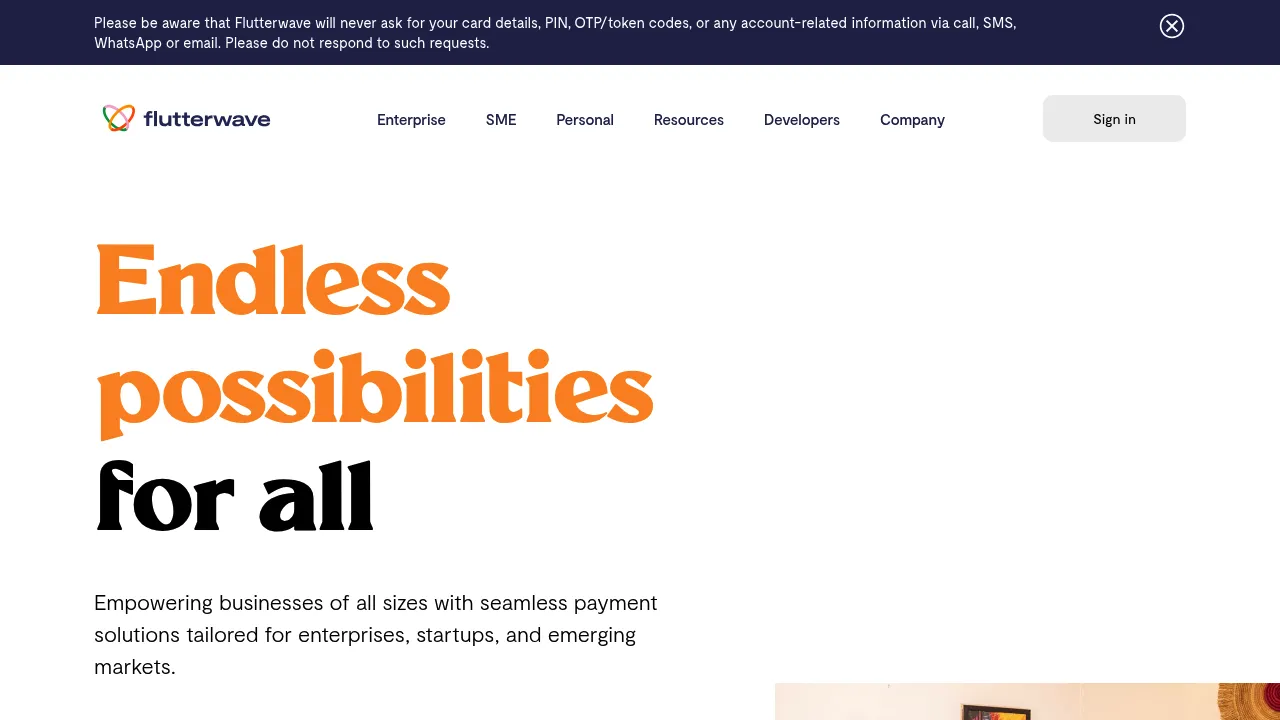
Flutterwave is a payments company that lets businesses accept and send money across Africa through one API.
The problem: A business selling in several African countries has to deal with different currencies, card networks, bank transfers and mobile money wallets in each market.
The solution: A single payment gateway, plus payouts, Send (remittances), Swap and card issuing. Flutterwave has processed over $16 billion and serves 900,000+ businesses.
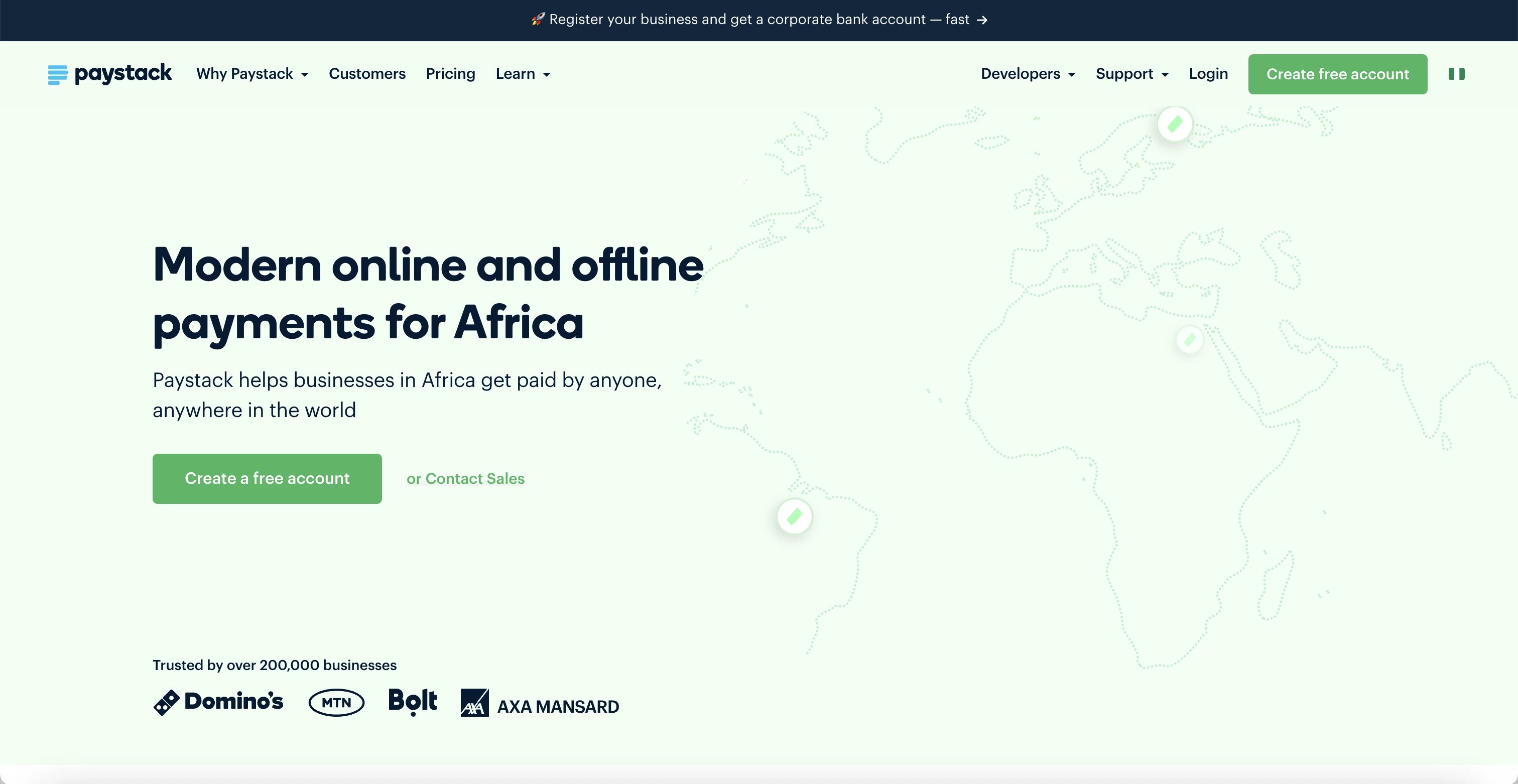
Paystack is an online payment gateway, founded in 2015 by Shola Akinlade and Ezra Olubi and acquired by Stripe in 2020.
The problem: Before gateways like Paystack, Nigerian businesses struggled to accept card and bank payments online, and many sales ended at checkout.
The solution: Checkout via cards, bank transfers, USSD and mobile money, plus transfer APIs. Paystack powers 200,000+ businesses.
Interswitch is the payment switch that connects Nigerian banks, founded in 2002 by Mitchell Elegbe.
The problem: In the early 2000s, Nigerian banks weren't connected to each other, so a customer of one bank couldn't use another bank's ATM or pay a merchant electronically.
The solution: The shared switch behind ATM, POS and online payments, the Verve card scheme and Quickteller. Interswitch is live in Nigeria, Kenya and Uganda.
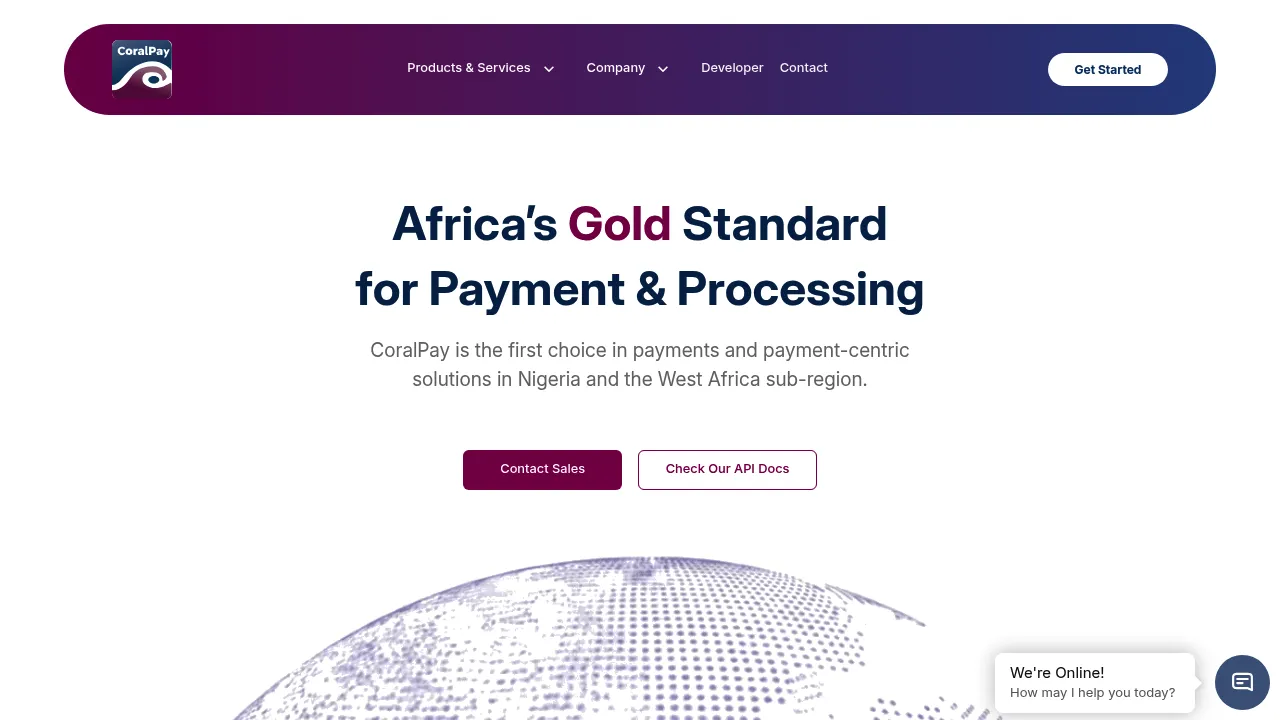
CoralPay is a payment processor known for C'Gate, Nigeria's first interoperable USSD payment platform.
The problem: Customers without a debit card or mobile data had no way to pay a merchant directly from their bank account.
The solution: USSD payments that work across POS, web and ATMs, adopted by banks including Zenith, GTBank and Access.
Nitroswitch is a licensed value-added services (VAS) aggregator that runs messaging and payment infrastructure for businesses and telcos.
The problem: Businesses that want to collect payments or send messages over USSD, SMS and voice need direct integrations with every mobile network.
The solution: One VAS gateway for messaging, payment processing, gaming and lottery platforms.
OPay is a mobile money and banking app with over 50 million users in Nigeria.
The problem: Bank transfer fees, failed transactions and low savings interest push millions of Nigerians toward cash.
The solution: Free transfers, bill payments, debit cards and OWealth, a savings wallet that pays interest daily.
Paga is a mobile money platform founded in 2009 by Tayo Oviosu.
The problem: Millions of Nigerians live far from a bank branch, so paying bills or sending money means travelling with cash.
The solution: A mobile money app, a network of 120,000+ agents, Doroki for small businesses and Paga Engine for enterprises. Paga has reported 19 million+ users.
Nomba is a business banking and payments platform for merchants.
The problem: Retailers lose sales when card payments fail at the till, and they need separate tools for accounts, invoicing and loans.
The solution: POS terminals, business accounts, checkout, invoicing, loans and treasury in one place. Nomba says 600,000+ businesses use it, processing ₦7 trillion+ a month.
You're a Lagos-based designer with a client in London. Getting that £2,000 home can take days and lose a chunk to fees.
Grey gives Africans foreign currency accounts in USD, GBP and EUR. It was founded in 2020 by Idorenyin Obong and Femi Aghedo and went through Y Combinator (W22).
The problem: African freelancers and remote workers paid by foreign clients lose money to high fees and poor exchange rates, and many can't open a foreign account at a local bank.
The solution: Foreign accounts, currency exchange, virtual cards and savings in one app. Grey passed 1 million users in 2024.
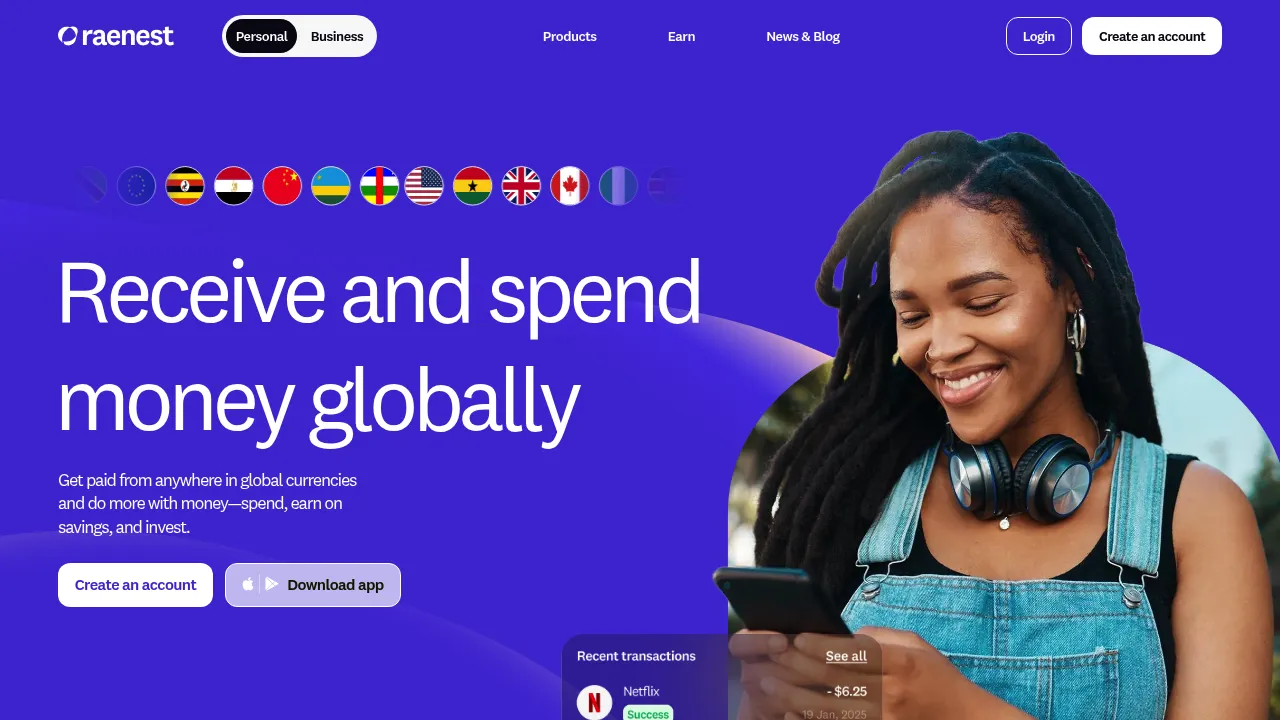
Raenest offers global accounts for freelancers and businesses, and is licensed by the CBN as an international money transfer operator.
The problem: Payments from foreign clients and employers take days to arrive and lose value to fees along the way.
The solution: USD, GBP, EUR and stablecoin accounts, Visa cards, invoicing and US stock trading. Raenest raised an $11 million Series A led by QED and has processed over $1 billion.
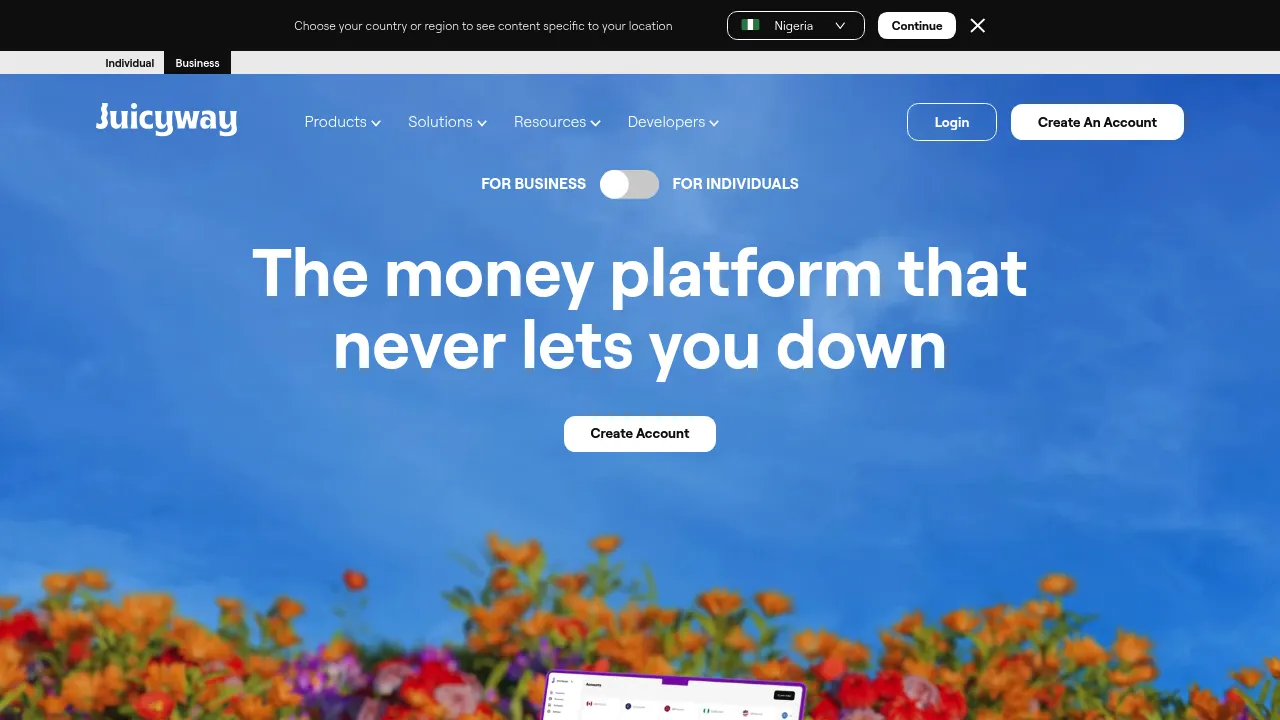
Juicyway is a licensed cross-border payments and FX platform for businesses.
The problem: Nigerian businesses that need dollars to pay foreign suppliers often can't get them quickly or legally.
The solution: An FX marketplace that matches Naira sellers with licensed FX suppliers, plus multi-currency accounts and payouts. Juicyway has processed $1.3 billion for 4,000+ customers.
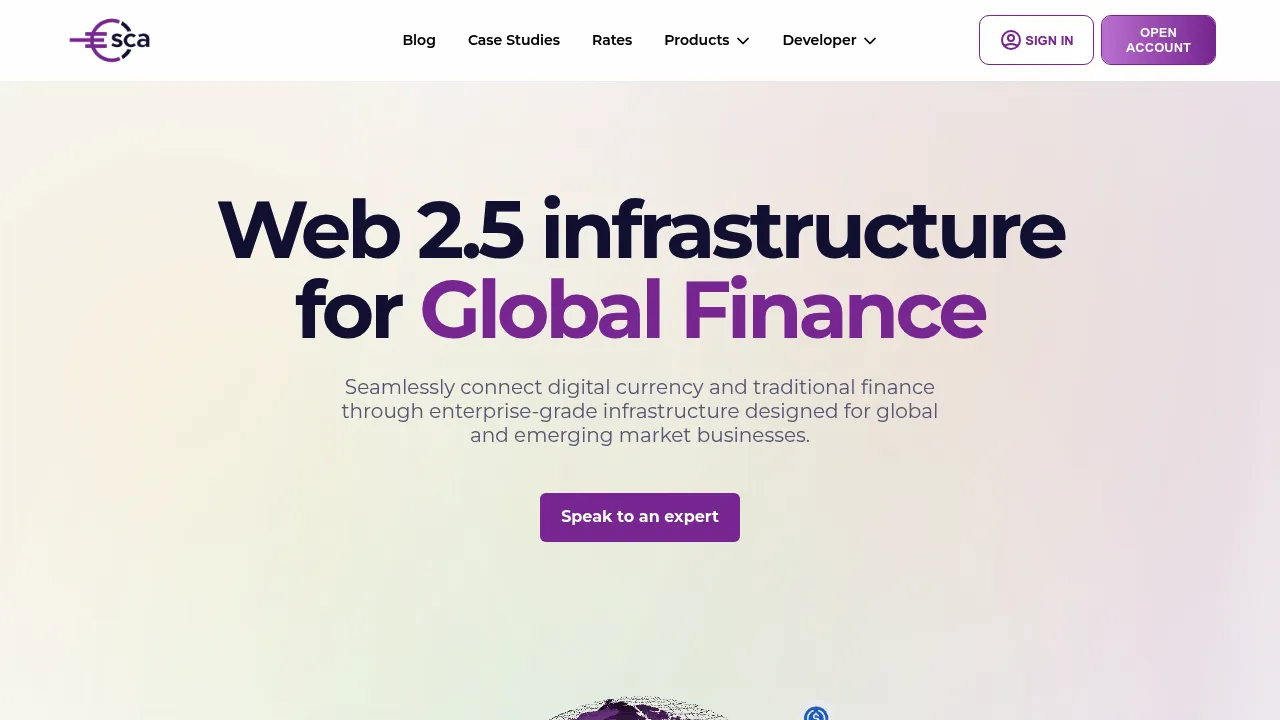
Esca Finance is an FX hedging and treasury platform, founded by Shalom Osiadi.
The problem: Businesses that earn in Naira lose value every day they wait to convert to dollars or euros.
The solution: Automatic conversion sweeps, forward contracts and interest-bearing accounts. Esca processes $75 million to $120 million a month for clients including NALA and MoneyGram.
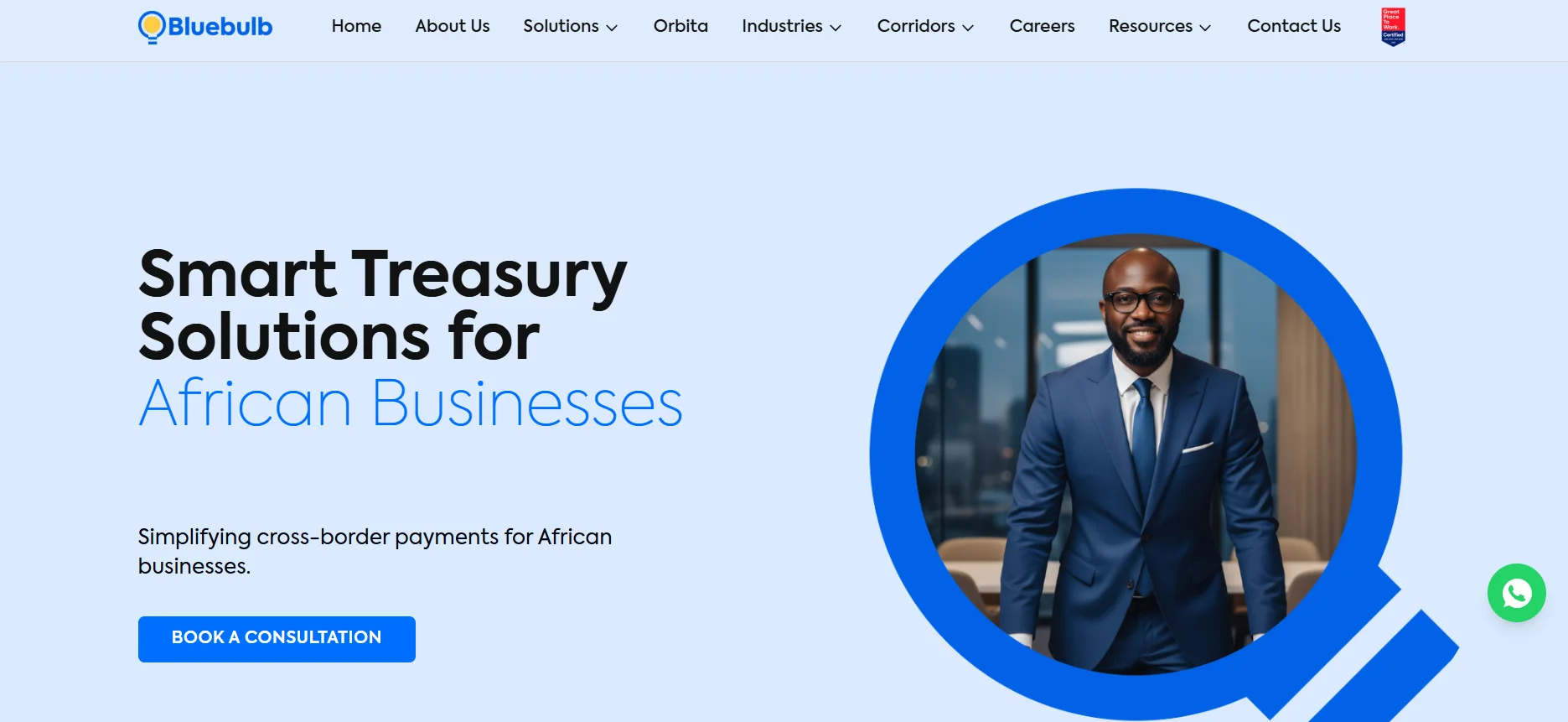
Bluebulb handles cross-border payments, FX and treasury for African corporates.
The problem: African companies paying foreign suppliers juggle several payment platforms and pay high fees on each transfer.
The solution: Pay-ins, payouts, FX and collections to the UK, US, EU and China, plus Orbita, a self-service treasury dashboard. Its clients include Oando and Nigerian Breweries.
HoneyCoin is a Nairobi-based B2B payments company that uses stablecoins to settle cross-border transactions.
The problem: Sending money between African countries through correspondent banks takes days and costs a lot.
The solution: Wallets, virtual accounts, OTC and bulk payouts on stablecoin rails. HoneyCoin raised a $4.9 million seed and moves about $150 million a month for 350 enterprise clients.
Glo Currency is an FCA-authorised FX and cross-border payments provider, founded in 2013 by Jamilah Alli.
The problem: Businesses that use informal FX middlemen risk delays, frozen funds or losing the money entirely.
The solution: Regulated multi-currency accounts, transfers and a business API, with same-day transfers to 196+ countries.
Nairagram is a payout network that delivers money to bank accounts, mobile wallets and cash points across Africa.
The problem: Money sent from abroad often can't reach recipients who don't have a bank account in a major city.
The solution: Bank deposits, mobile wallet payouts in 30+ countries and cash pickup at 10,000+ locations. Nairagram processes over $2 billion a year across 37 African countries.
AfriChange is a FINTRAC-registered remittance app for sending money from Canada to Africa.
The problem: Sending Canadian dollars home to Nigeria, Ghana or Kenya is slow and expensive through banks.
The solution: CAD to Naira, cedi, shilling and CFA transfers funded via Interac.
Your card gets declined at a hotel in Accra. Now what?
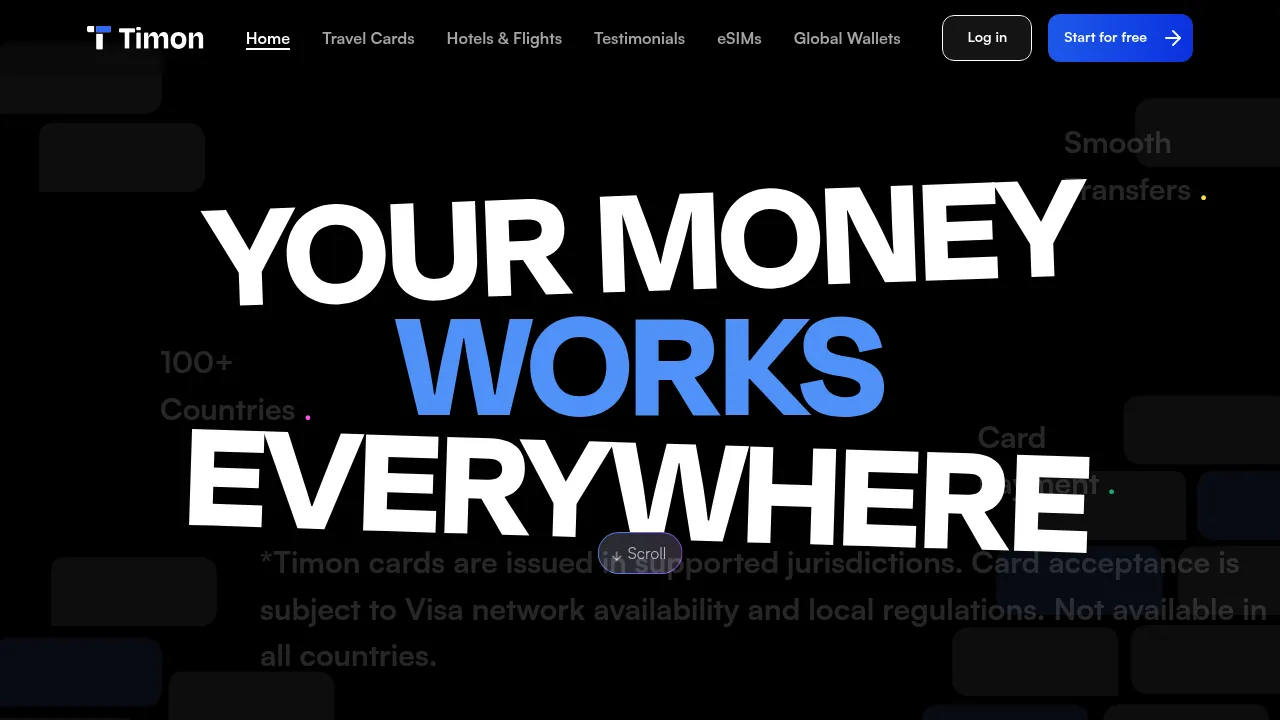
Timon is a travel payments app for Africans, launched in 2024.
The problem: African bank cards are often declined abroad for hotels, transport and bookings.
The solution: A USD Visa card, global wallets, eSIMs and flight and hotel bookings. Timon has about 100,000 users across 16 African countries.
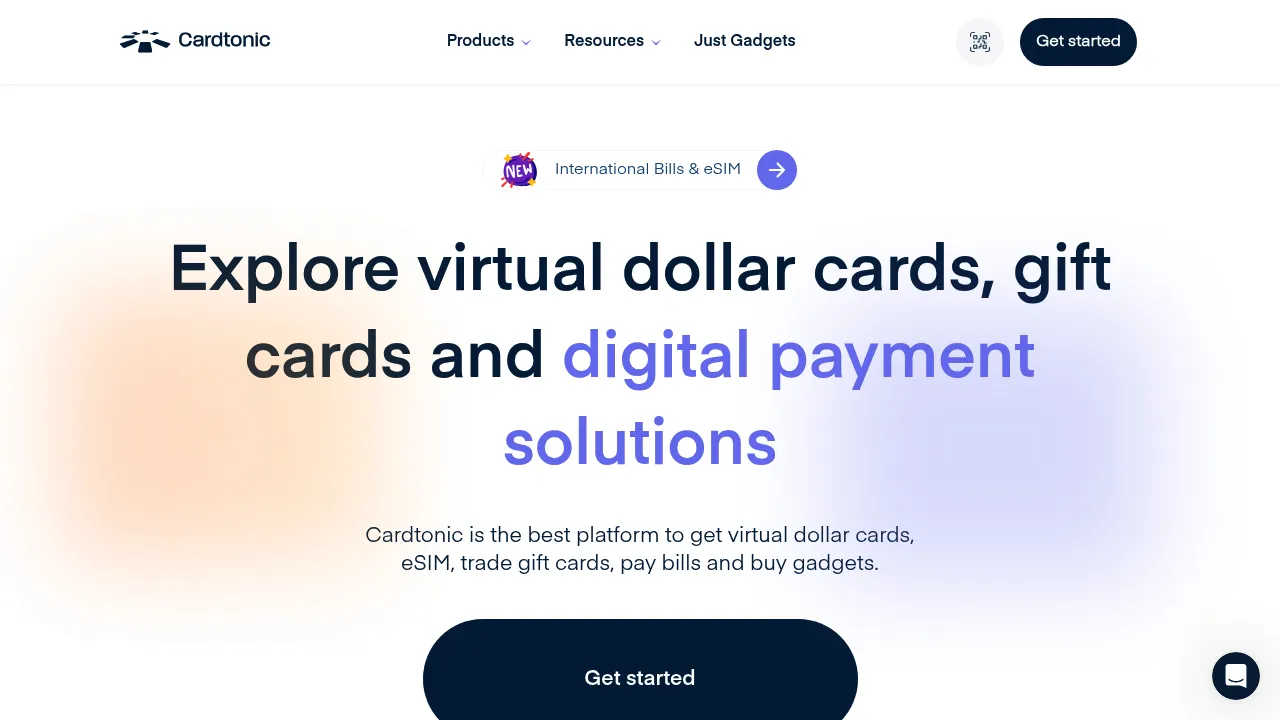
PIL is a business spend management platform built by Cardtonic.
The problem: Naira cards are regularly declined on Meta ads, SaaS subscriptions and cloud bills.
The solution: Virtual corporate cards funded in Naira, cedi or stablecoins, with spend controls. Cardtonic raised $2.1 million to build PIL.
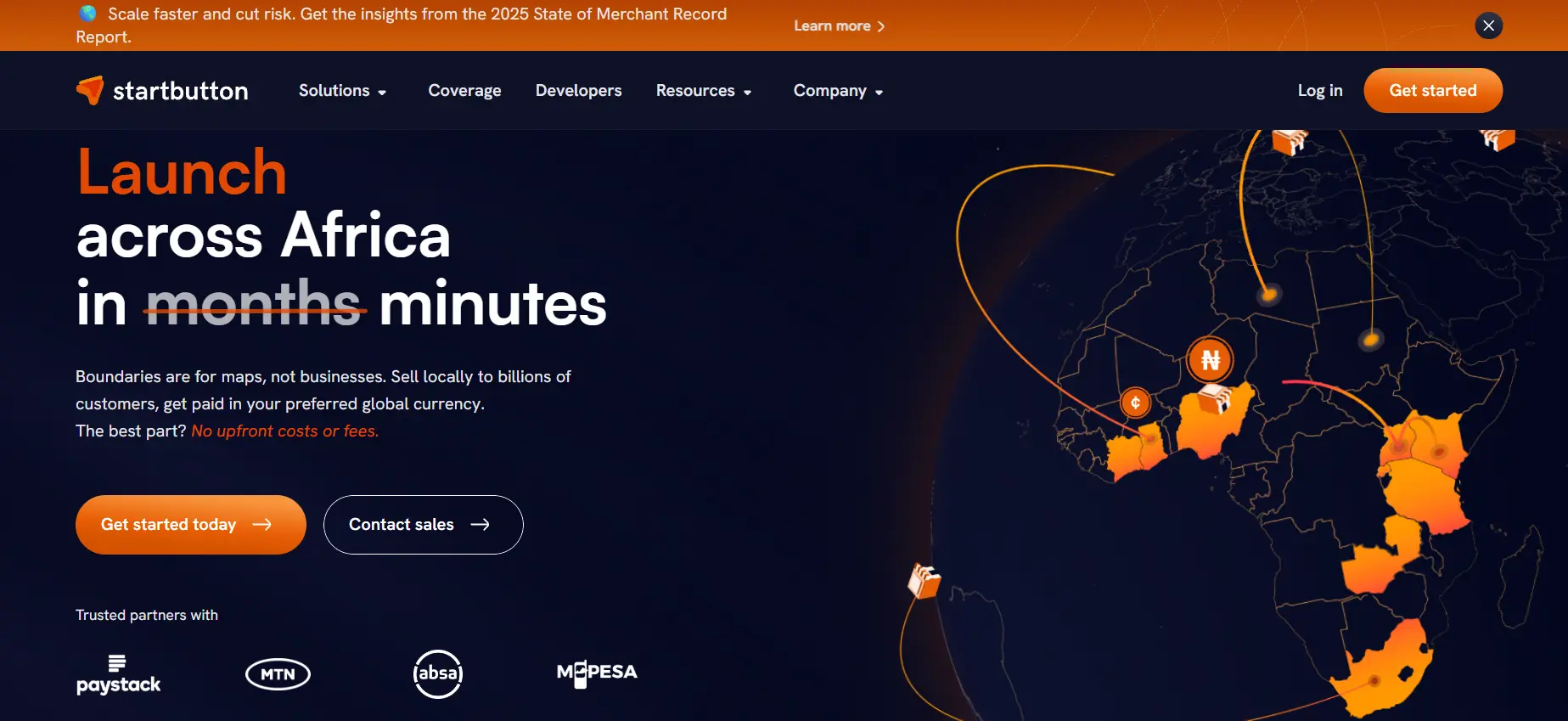
Startbutton is a merchant of record for foreign digital businesses selling in Africa.
The problem: A foreign app can't collect local payments in African markets without setting up a local company, tax registration and licences in each one.
The solution: Local collections, tax compliance, incorporation and payouts in about 15 markets.
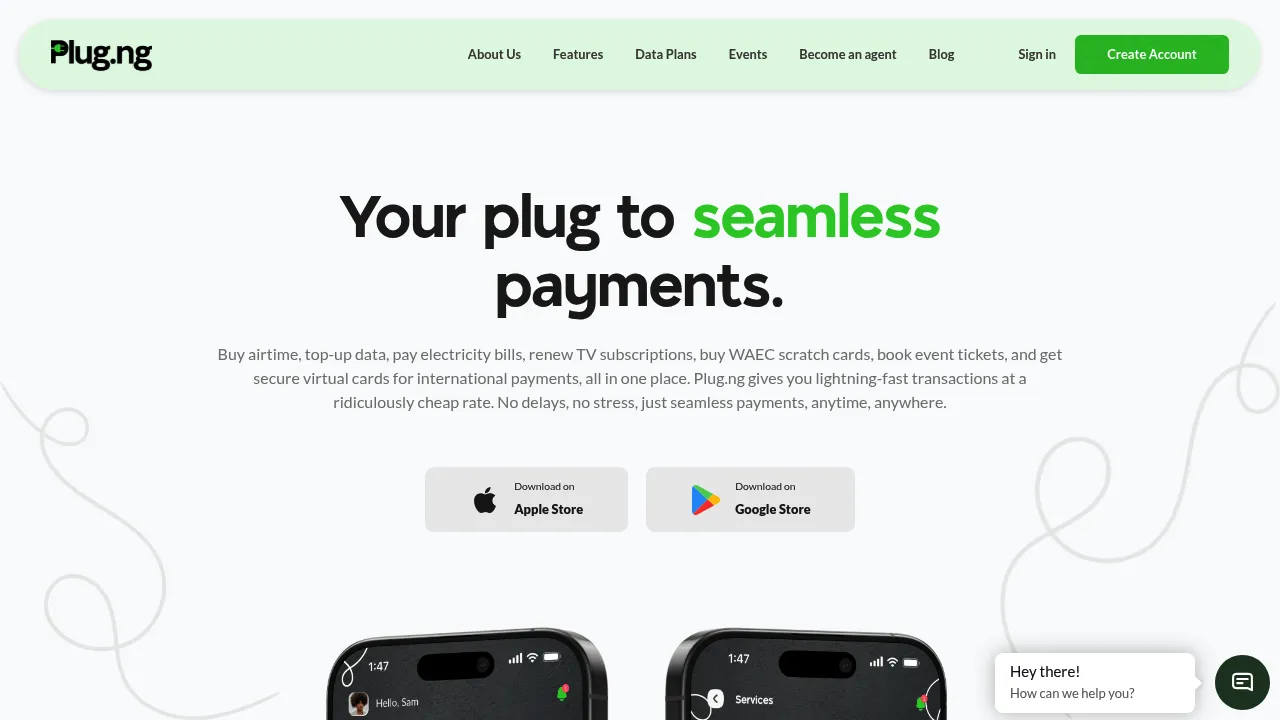
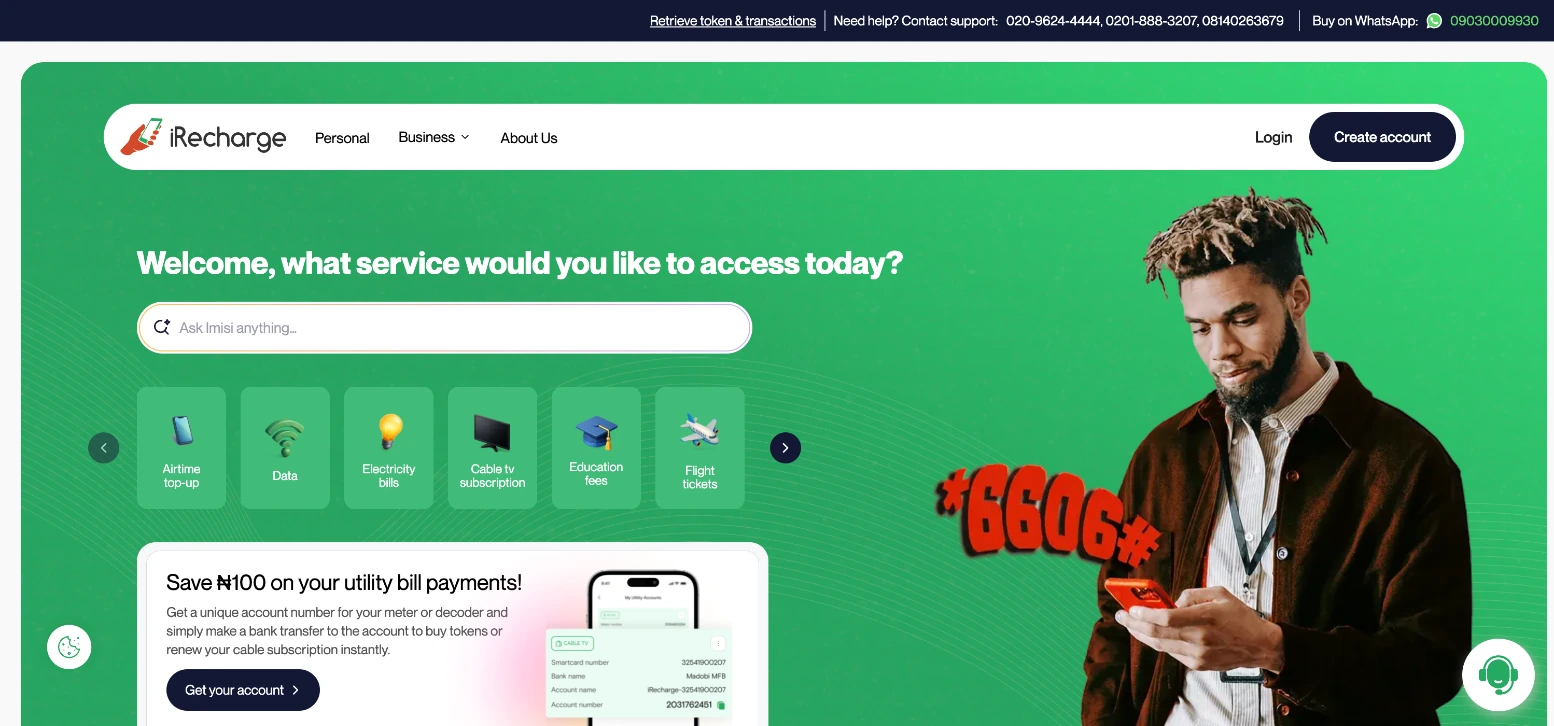
iRecharge and Plug.ng are bill payment apps.
The problem: Paying for electricity, TV, data and exam fees means using several apps, and prepaid meter tokens are easy to lose.
The solution: iRecharge handles bills, meter token retrieval and WAEC/JAMB fees in one app. Plug.ng bundles 50+ services, including USD virtual cards and event ticketing.
The second-biggest group at Moonshot 2026 was building around one fear: watching your money lose value as the Naira falls. That has turned savings apps, dollar investments and fast credit into everyday tools, and the companies here range from a billion-dollar business bank to a startup that lends against your smartphone.
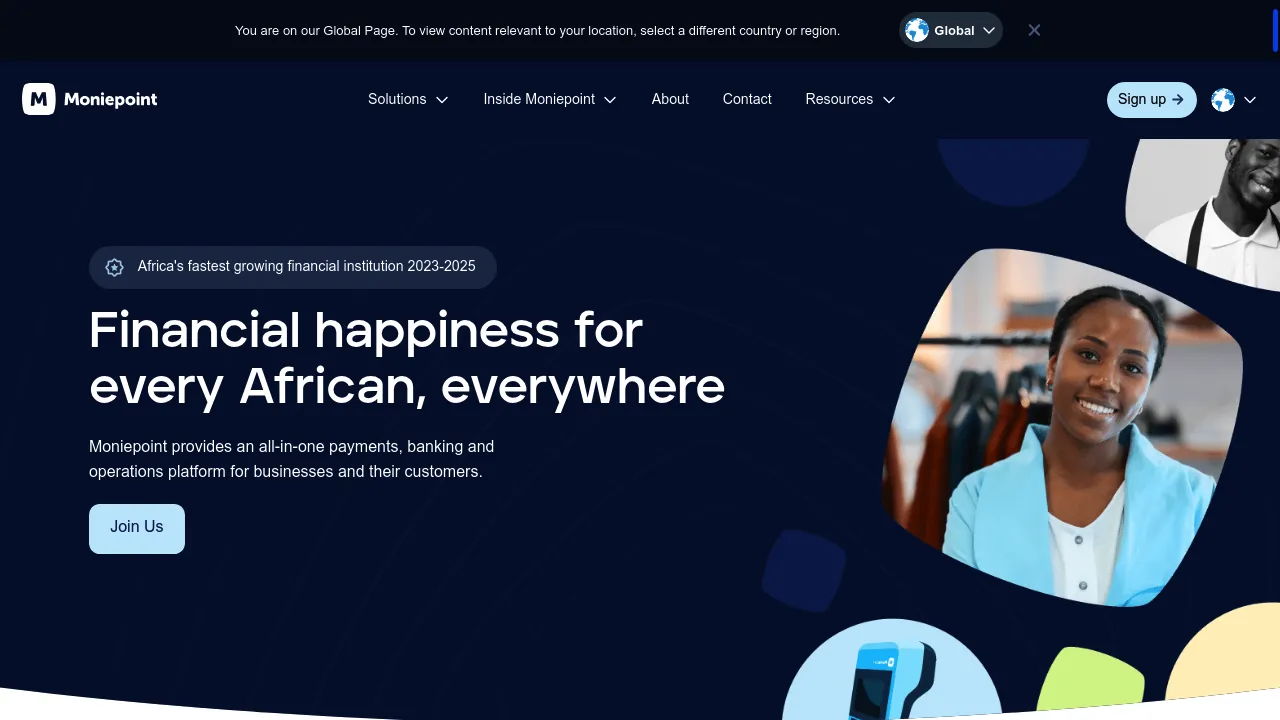
Moniepoint is a payments and banking platform for small businesses, founded in 2015 by Tosin Eniolorunda.
The problem: Most Nigerian retailers can't get working-capital loans from traditional banks, and they run payments, banking and bookkeeping on separate tools.
The solution: POS terminals, business and personal accounts, expense cards, bookkeeping and inventory loans. Moniepoint processes $17 billion a month across 10 million+ accounts and closed a $200 million Series C in 2025.
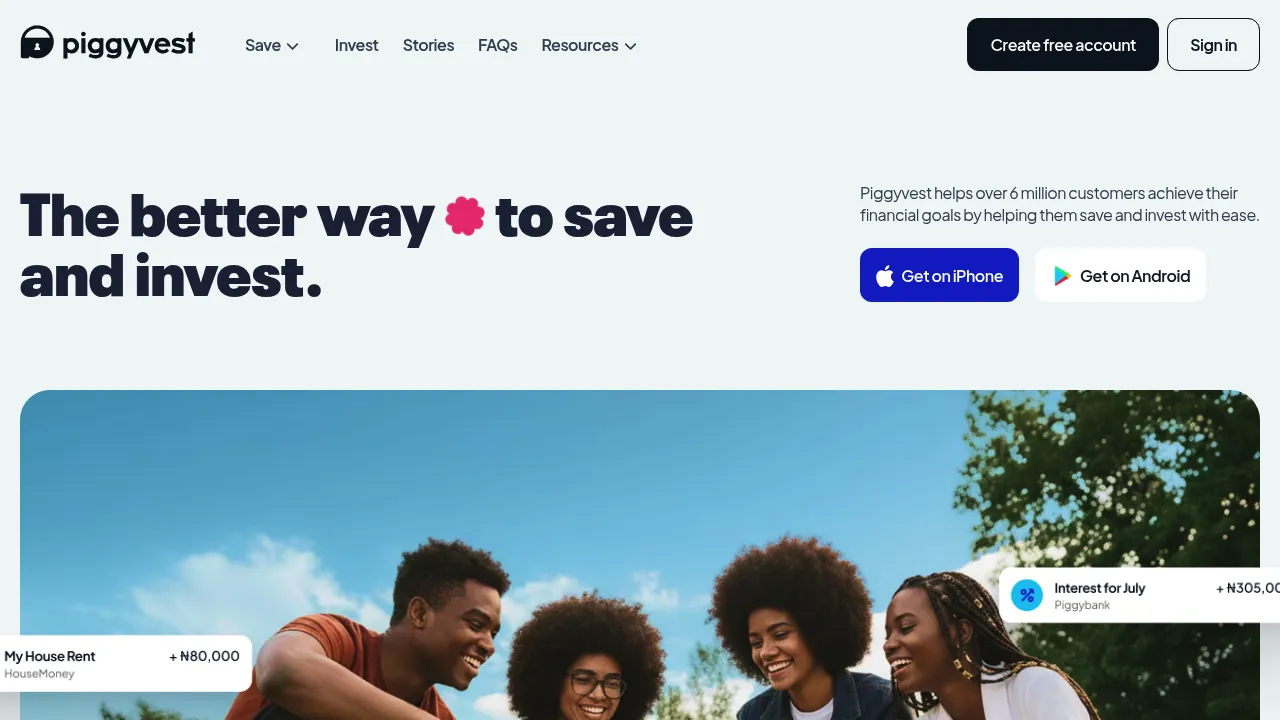
PiggyVest is a savings and investment app with over 6 million customers. It started in 2016 as Piggybank.ng.
The problem: Money kept in a regular bank account earns little interest while inflation eats into it, and easy access makes it tempting to spend.
The solution: Automatic savings, locked savings that can't be withdrawn early (Safelock), target savings, dollar savings and investments. PiggyVest paid out ₦1.3 trillion to users in 2025.
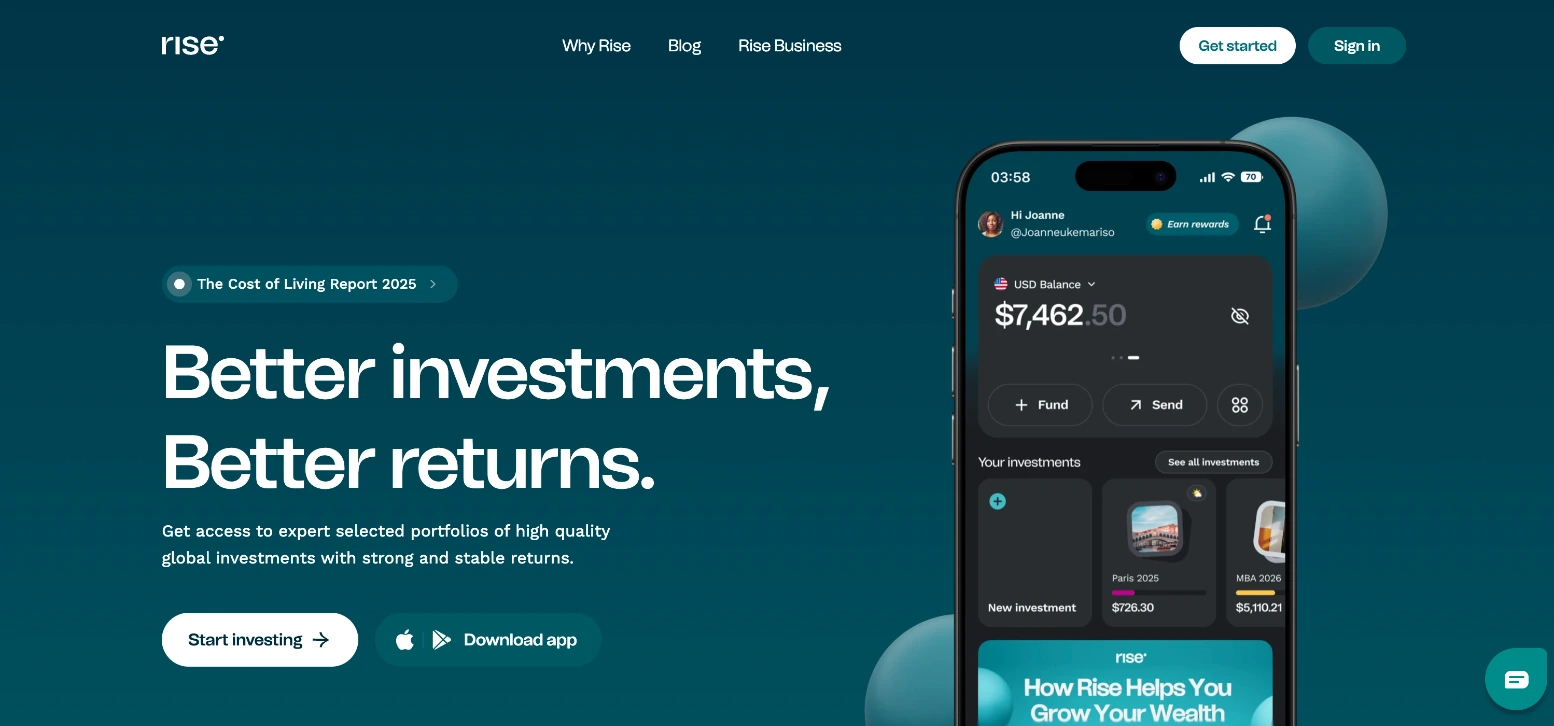
Risevest is a dollar investment app that manages portfolios for Nigerians.
The problem: Savings held in Naira lose value as the currency falls, and buying US stocks or property from Nigeria is complicated.
The solution: Managed dollar portfolios of US stocks, real estate and fixed income. Rise has 850,000+ users across Rise and Chaka, and holds an SEC fund manager licence.
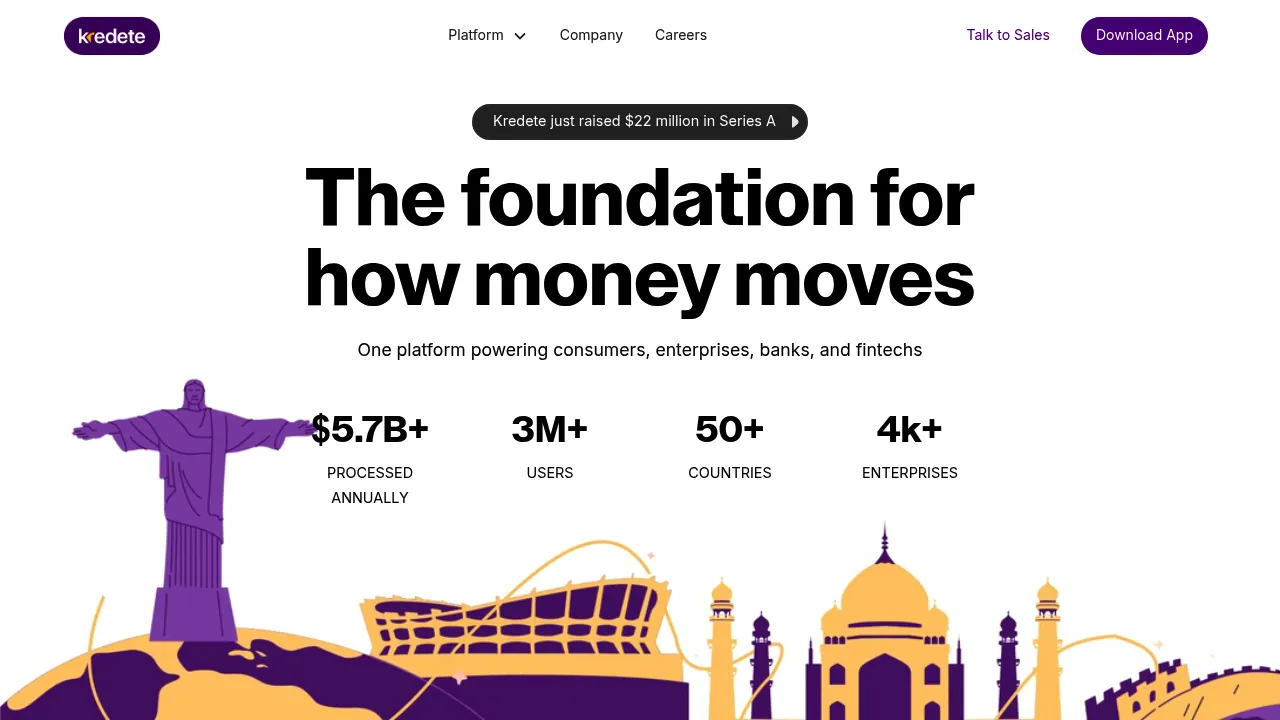
Kredete is a remittance app that also helps African immigrants build a US credit score, founded in 2023 by Adeola Adedewe.
The problem: African immigrants arrive in the US with no credit history, so they're refused loans and apartments, while also paying high fees to send money home.
The solution: Transfers to 60+ markets combined with credit-building and a stablecoin-backed credit card. Kredete raised a $22 million Series A and has 700,000+ monthly users.
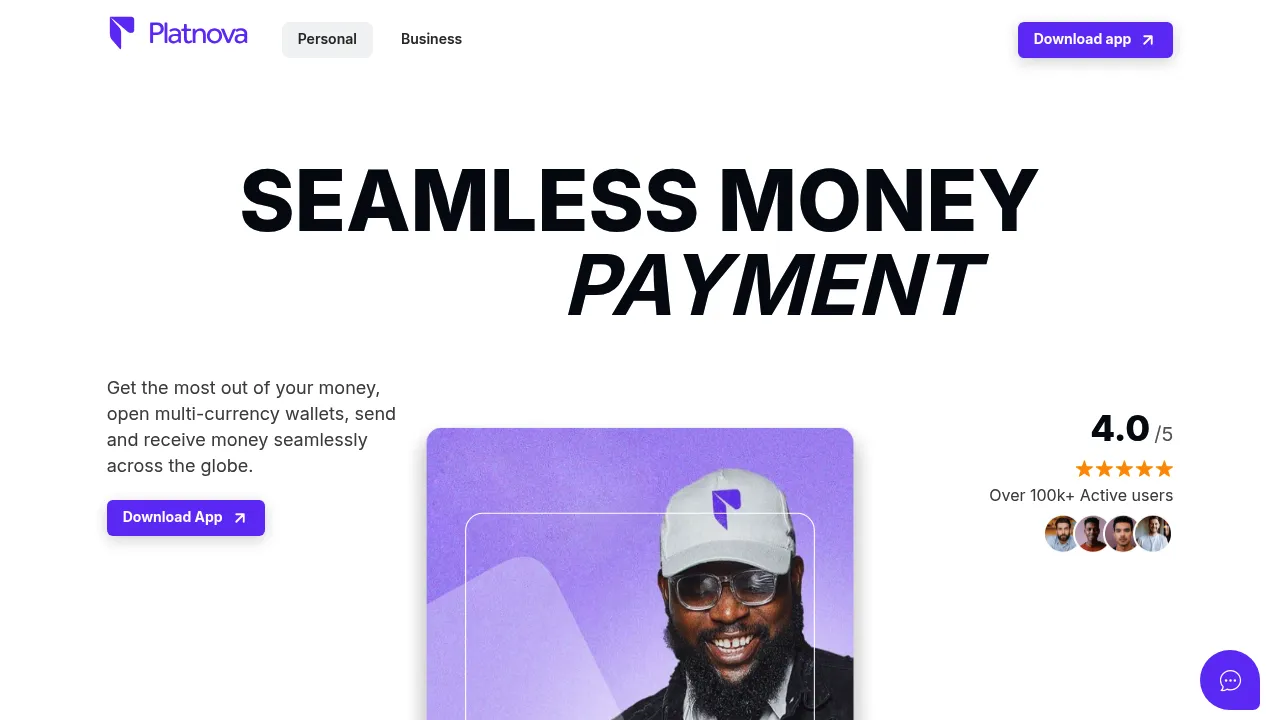
Platnova is a multicurrency money app for individuals and businesses.
The problem: Paying overseas tuition, receiving money from abroad or sending money to family in another country often means using several apps and losing money on each conversion.
The solution: Global transfers, cards, savings, tuition payments and invoicing across 13+ currencies and 50+ countries.
Accrue is a cross-border payments and dollar account app, founded in 2021 by Adesuwa Omoruyi and Clinton Mbah.
The problem: Sending money between African countries, say from Ghana to Nigeria, is slow and expensive through banks.
The solution: Intra-African transfers through 16,000 verified agents, plus USD accounts and savings across 15+ countries. Accrue raised a $1.58 million seed.
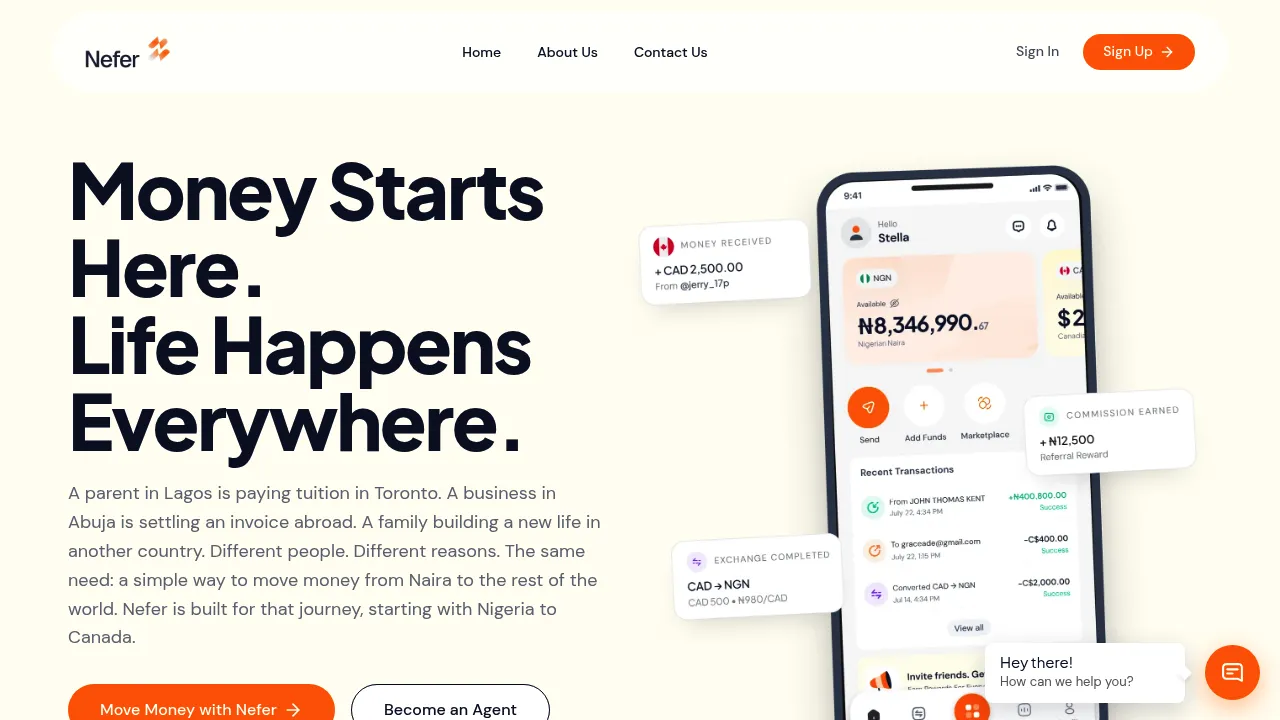
Nefer is a Canada-Nigeria payments app.
The problem: Nigerians paying Canadian tuition or bidding on US car auctions have to source CAD and USD through several middlemen.
The solution: Transfers and payments for tuition, bills and car auctions like Copart and IAAI. Nefer has processed over C$100 million.
Belema is a CBN-licensed payment switch and core banking provider for banks and fintechs.
The problem: Most microfinance banks can't afford the core banking software they need to connect to national switches, so their customers can't make instant transfers.
The solution: Belema Switch and Belcoba, a plug-and-play core banking and payments system that goes live in a day.
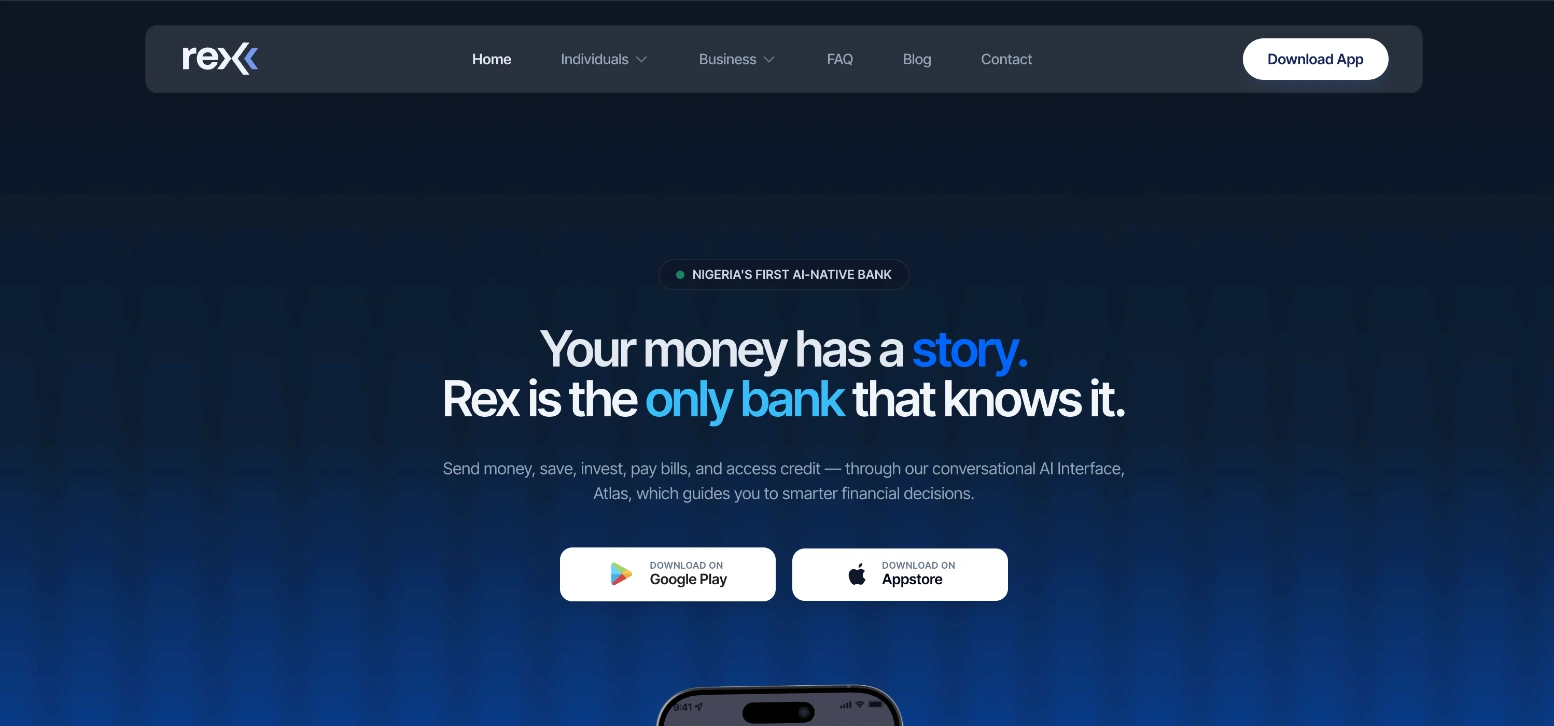
These four are licensed digital banks. The problem they share: opening a bank account or getting a small loan still means visiting a branch and waiting days for approval.
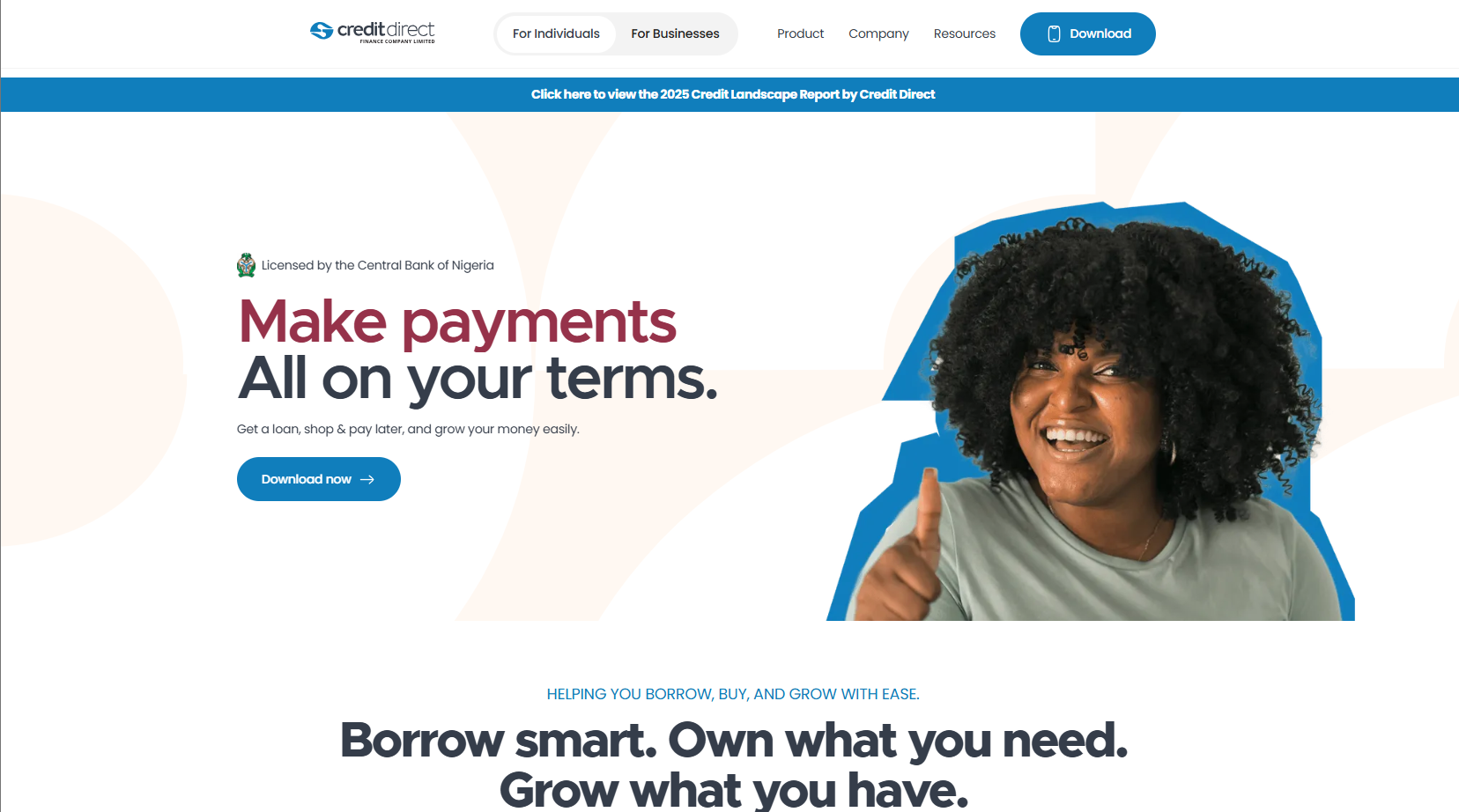
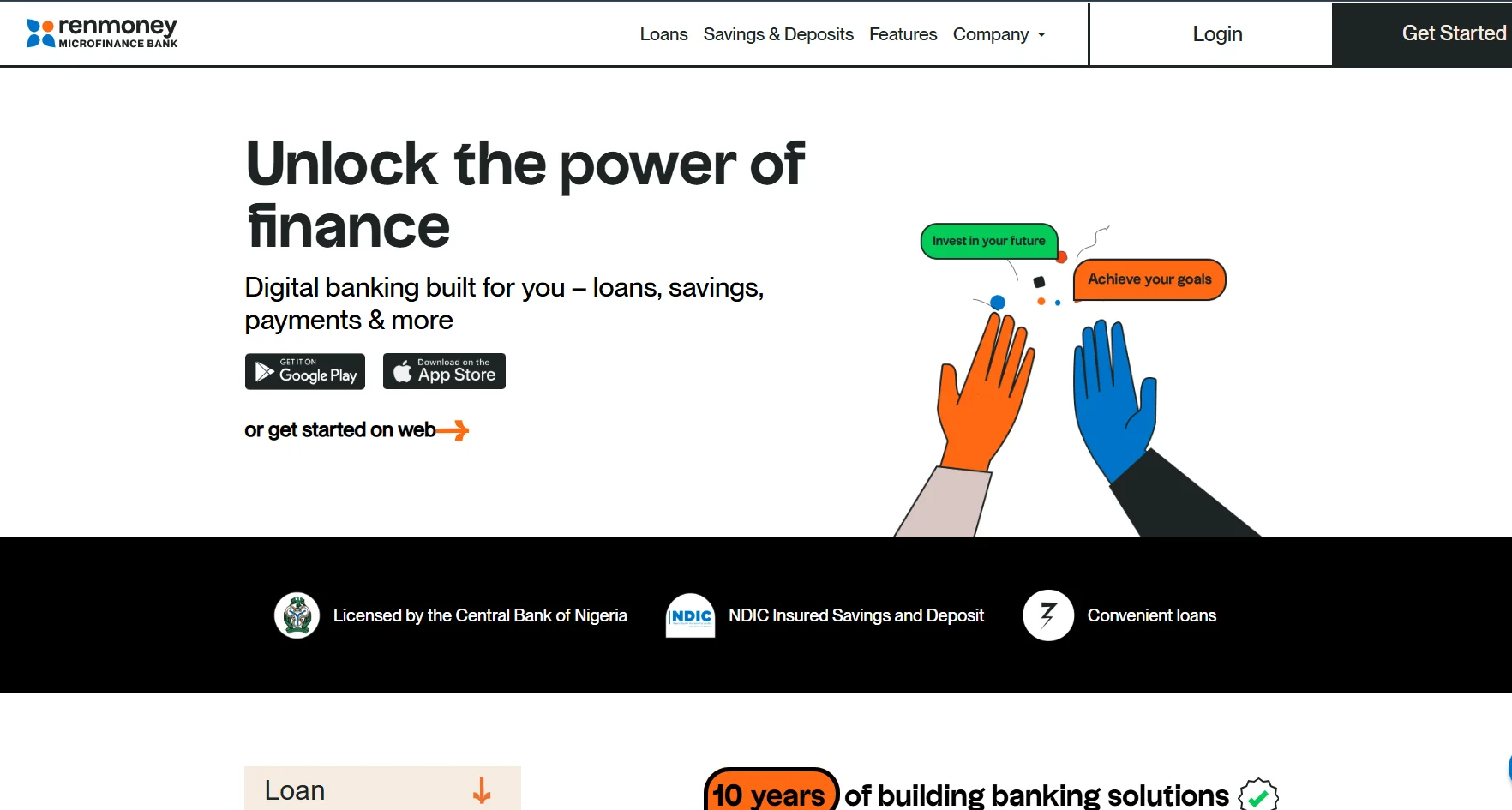
Credit Direct and Renmoney are licensed lenders.
The problem: Salaried workers and small businesses who need a loan quickly usually don't have collateral, and banks take weeks to approve.
The solution: Credit Direct offers personal loans, BNPL checkout up to ₦1 million and investments, and says it serves 2 million+ customers. Renmoney offers loans up to ₦10 million and savings, and reports ₦1 trillion+ in loans disbursed.
What if your phone was your collateral?
Credlock Africa is an Ilorin-based lender, founded in 2024, that uses a borrower's smartphone as collateral.
The problem: Most Nigerians don't own land, cars or other assets lenders accept as collateral, and short 7 to 30 day loans are hard to repay.
The solution: Loans of 3 to 6 months worth up to 50% of a phone's value. The phone stays with the user, and an Android lock restricts it if repayments lapse. Credlock has lent about ₦1.5 billion across 33 states.
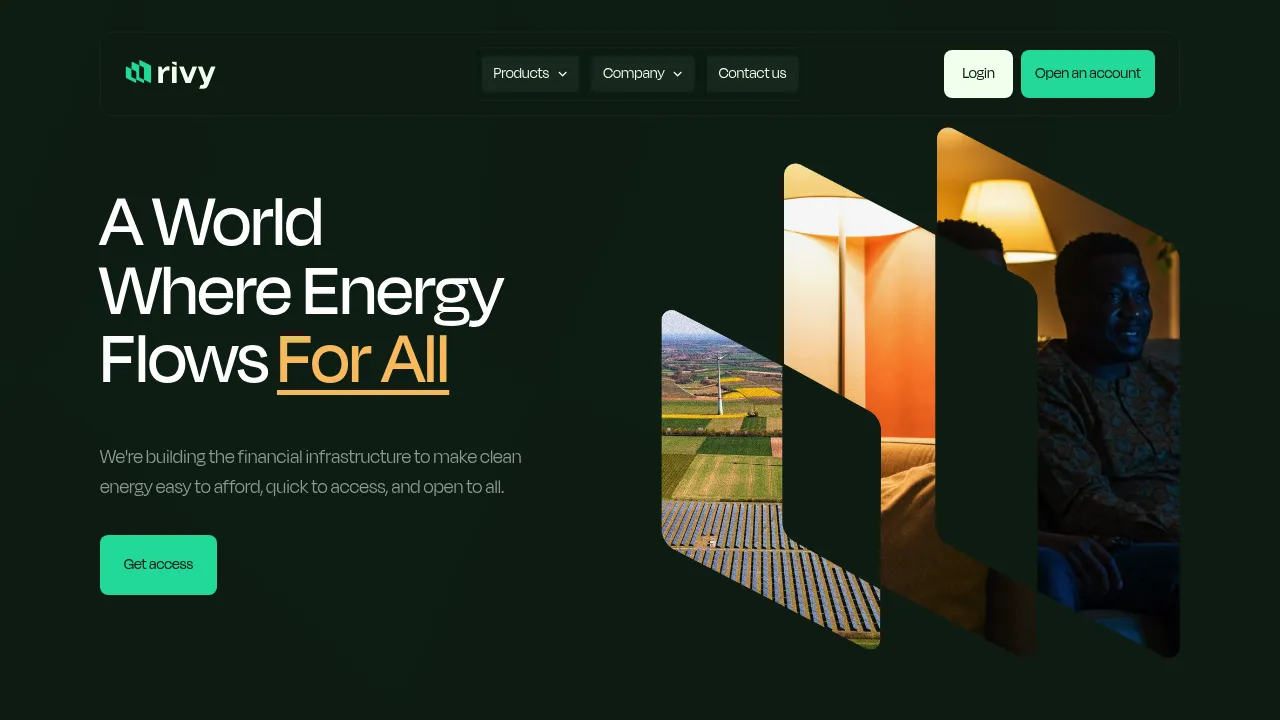
Rivy, formerly Payhippo, is a clean energy financing platform.
The problem: Businesses and homes can't pay for a solar system upfront, and solar installers can't fund the inventory they need to sell.
The solution: Solar loans, EV loans, installer inventory financing and mini-grid financing. Rivy raised a $4 million pre-Series A in 2025.
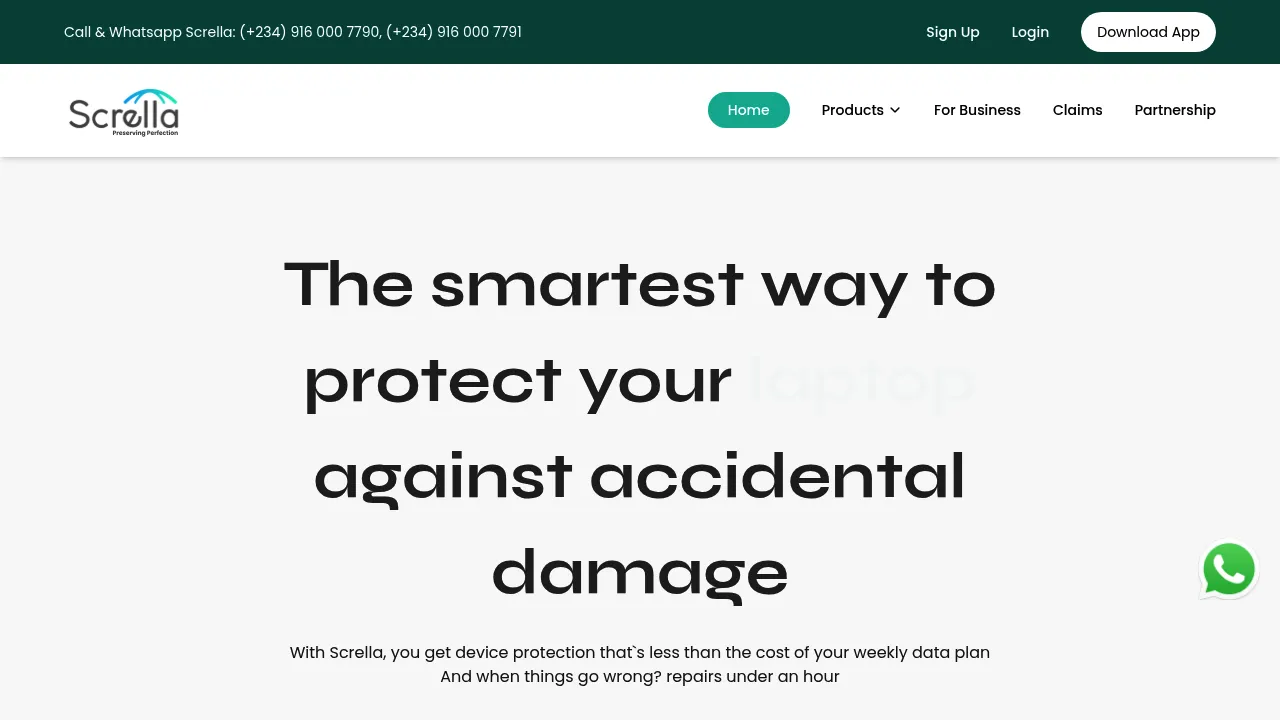
Scrella is an insurtech for phones and devices, founded in 2023 by Gbenga Adigun.
The problem: Replacing a stolen or broken phone is expensive, and traditional insurers require a physical inspection before they'll cover it.
The solution: Insurance for new and used phones, with AI remote inspection through the app.
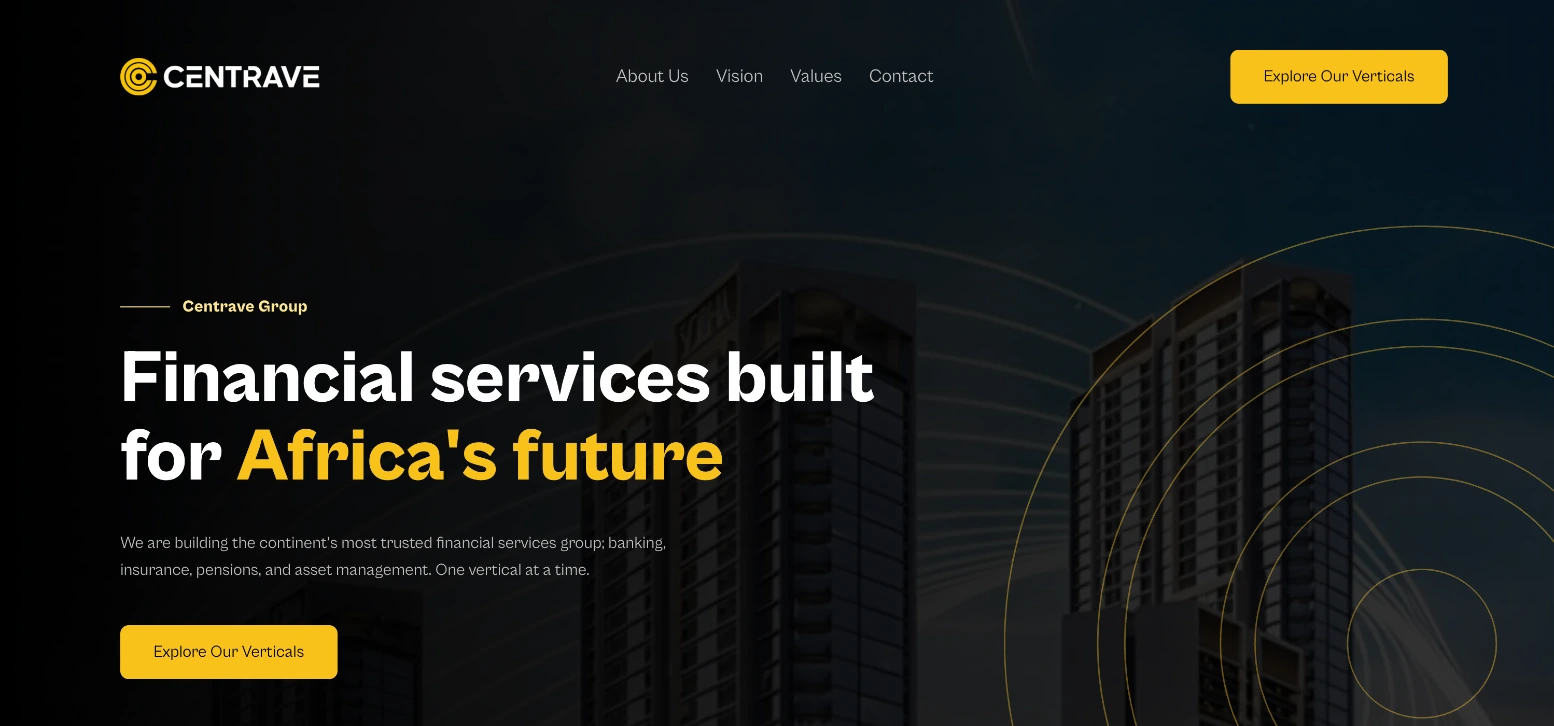
Centrave is a financial services group that currently runs GreenAcres Microfinance Bank.
The problem: Customers use a different provider for banking, insurance, pensions and investments.
The solution: One group covering banking, savings and credit through GreenAcres, with remittance, insurance and pensions planned.
The crypto companies at Moonshot 2026 weren't selling moonshots (pun intended). Most of them solve one practical problem: turning crypto, gift cards and stablecoins into Naira you can spend, or dollars you can hold, without the scams and delays of peer-to-peer trading.
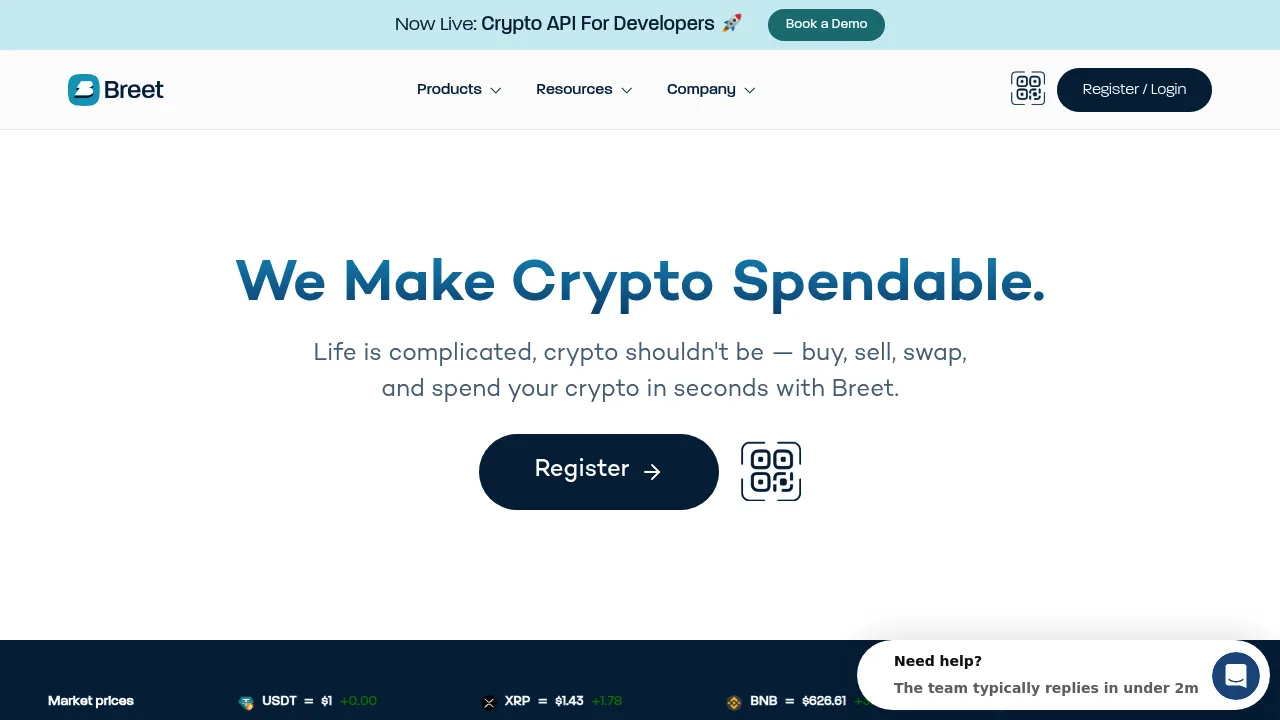
Breet is a crypto payments platform that converts crypto into local currency, with 500,000+ verified users.
The problem: Cashing out crypto through peer-to-peer traders is slow and risky; buyers can disappear or send fake payment screenshots.
The solution: Direct crypto-to-bank payouts in Nigeria and Ghana, plus an OTC desk, crypto cards, bill payments and a developer API.
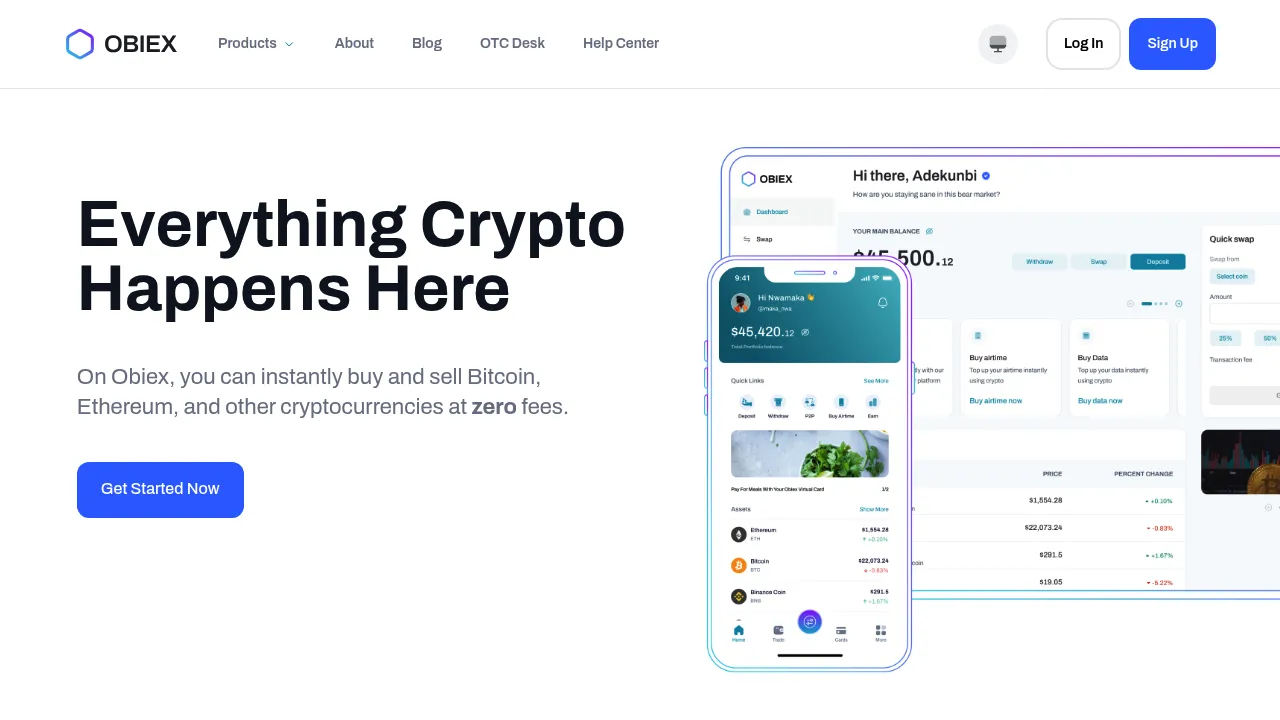
Obiex is a zero-fee crypto trading and swap platform that also supplies liquidity to other exchanges.
The problem: Retail users pay high spreads on Naira crypto trades, and smaller exchanges don't have enough liquidity to fill orders quickly.
The solution: Instant buy, sell and swap with usernames instead of wallet addresses, plus a liquidity API used by about 12 Nigerian exchanges. Obiex reported $731.5 million in annualised trade volume and says it's profitable.
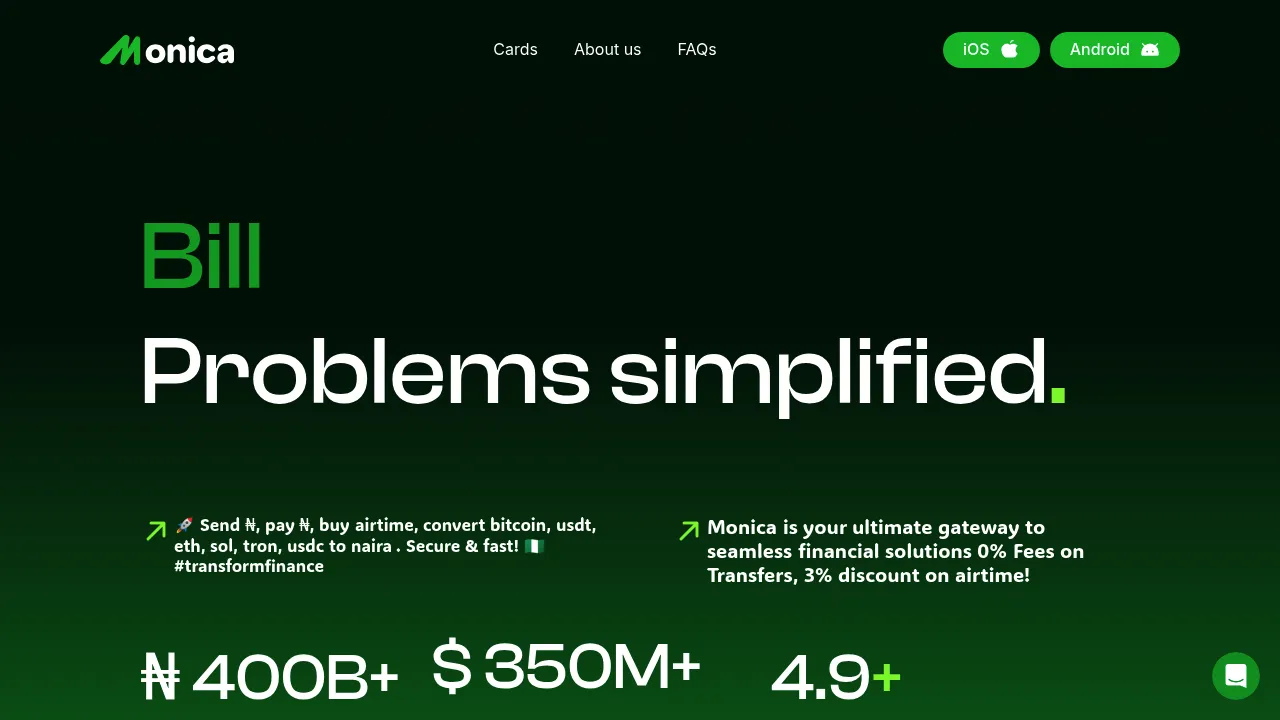
Monica is a crypto-to-Naira off-ramp app with 700,000+ users.
The problem: Selling BTC or USDT through peer-to-peer traders can take hours, and rates often change before the Naira arrives.
The solution: Payouts for seven coins to any Nigerian bank in about 60 seconds, plus bill payments, a virtual dollar card and an off-ramp API.
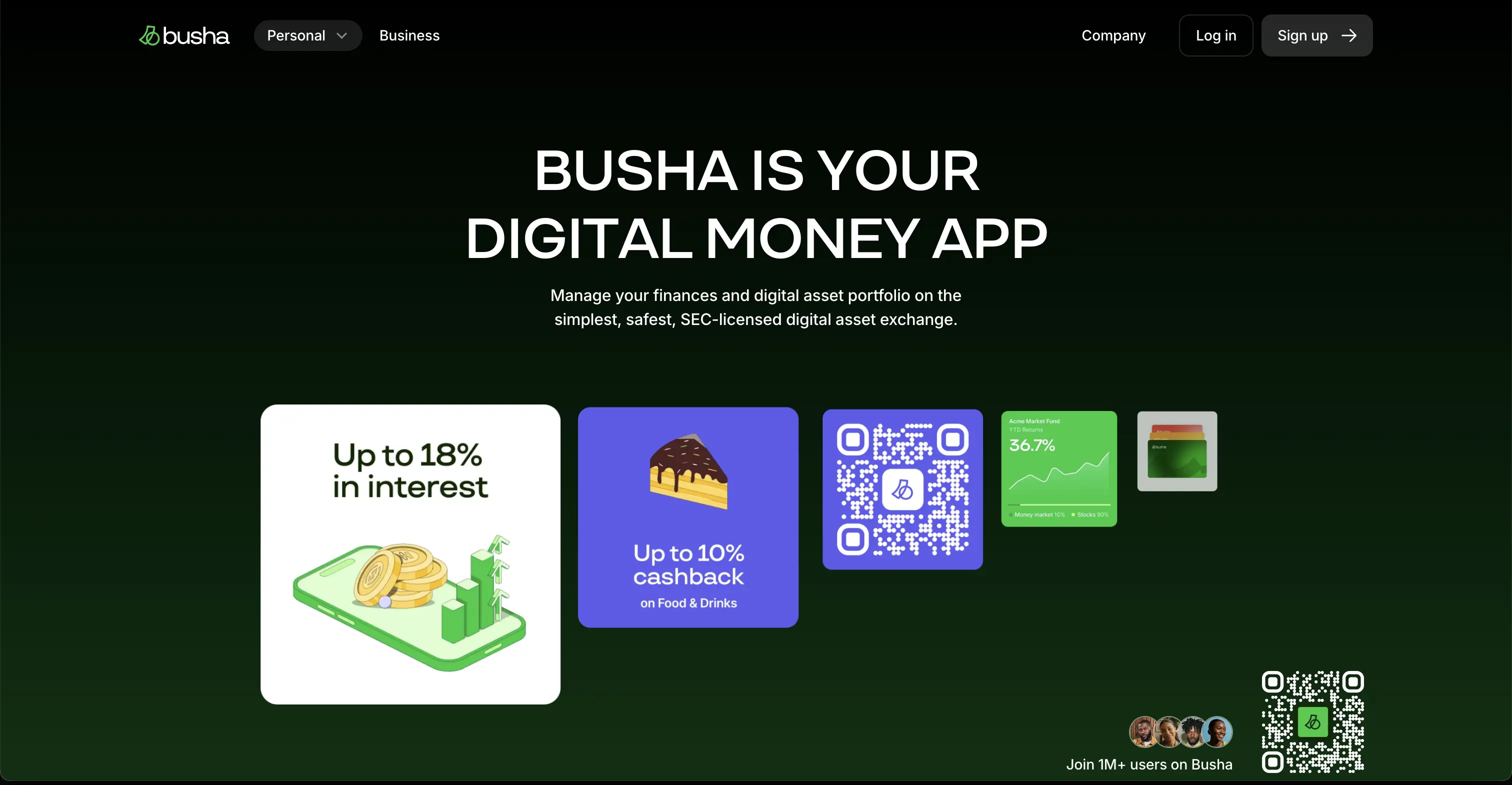
Busha is a crypto exchange whose Busha Business product gives companies stablecoin and dollar infrastructure.
The problem: African businesses that need to pay foreign invoices can't get dollars from banks in time.
The solution: Stablecoin on- and off-ramps, USD accounts, corporate cards and OTC across seven African currencies. Busha received provisional SEC approval as a digital asset exchange in 2024.
Luno is a crypto exchange and investment app that has served Nigeria since 2015.
The problem: Most Nigerians buy crypto through unregulated traders, where there's no recourse if a trade goes wrong or funds are frozen.
The solution: A regulated exchange to buy, sell and store crypto. In July 2026, Luno became the first global exchange admitted to the Nigerian SEC's ARIP programme.
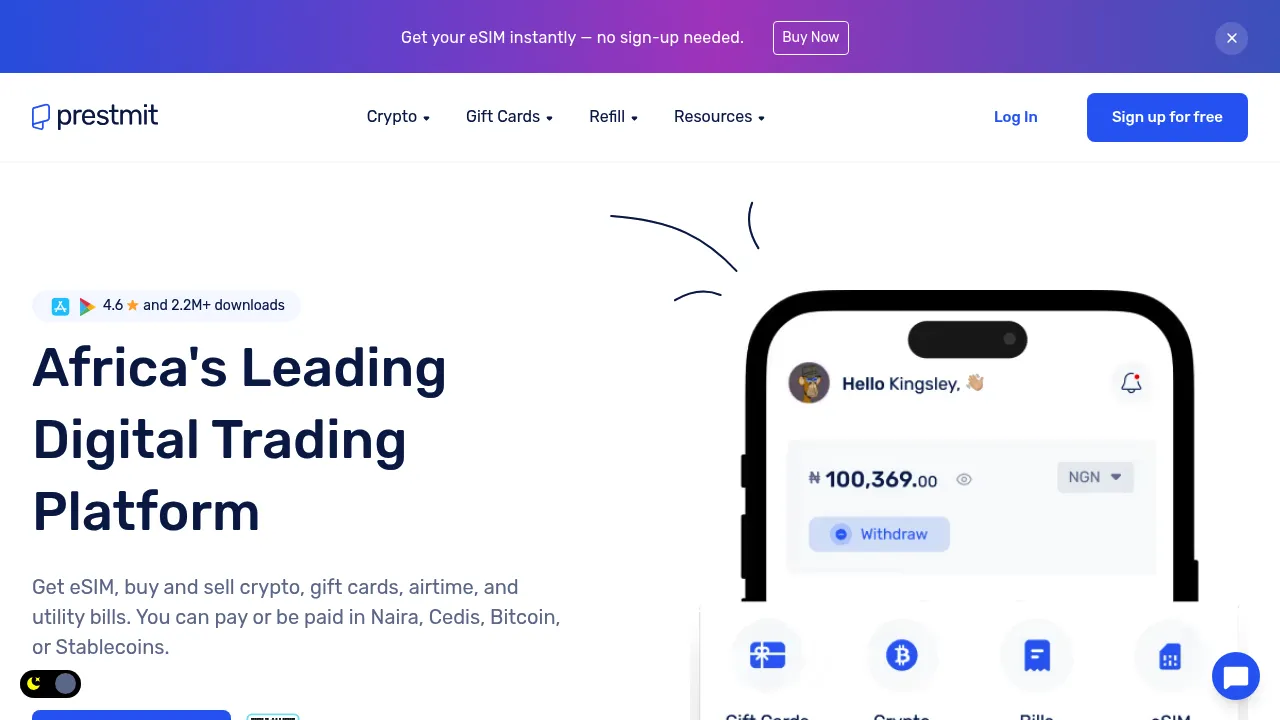
Prestmit is a marketplace for selling gift cards and crypto for cash.
The problem: Nigerians and Ghanaians who receive gift cards or crypto from abroad struggle to convert them to cash without getting underpaid or scammed.
The solution: Gift card trading, crypto-to-cash, an OTC desk, bills and eSIMs, with Naira, cedi and dollar wallets.
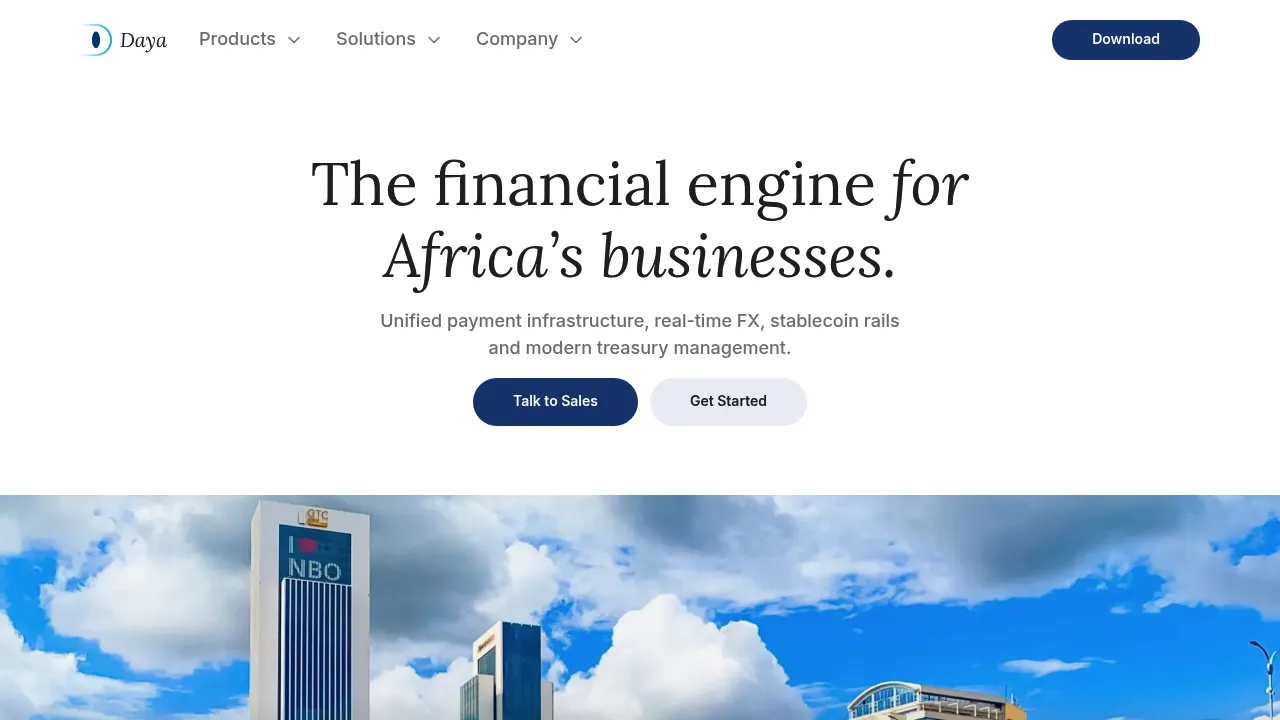
Daya is a stablecoin-powered money app for people, businesses and developers, founded in 2025.
The problem: Africans receiving USD or EUR from abroad lose money to incoming transfer fees and conversion spreads.
The solution: Accounts that receive USD and EUR with zero incoming fees, plus stocks, Bitcoin, and payout and FX APIs. Daya raised a $2.4 million pre-seed in 2026.
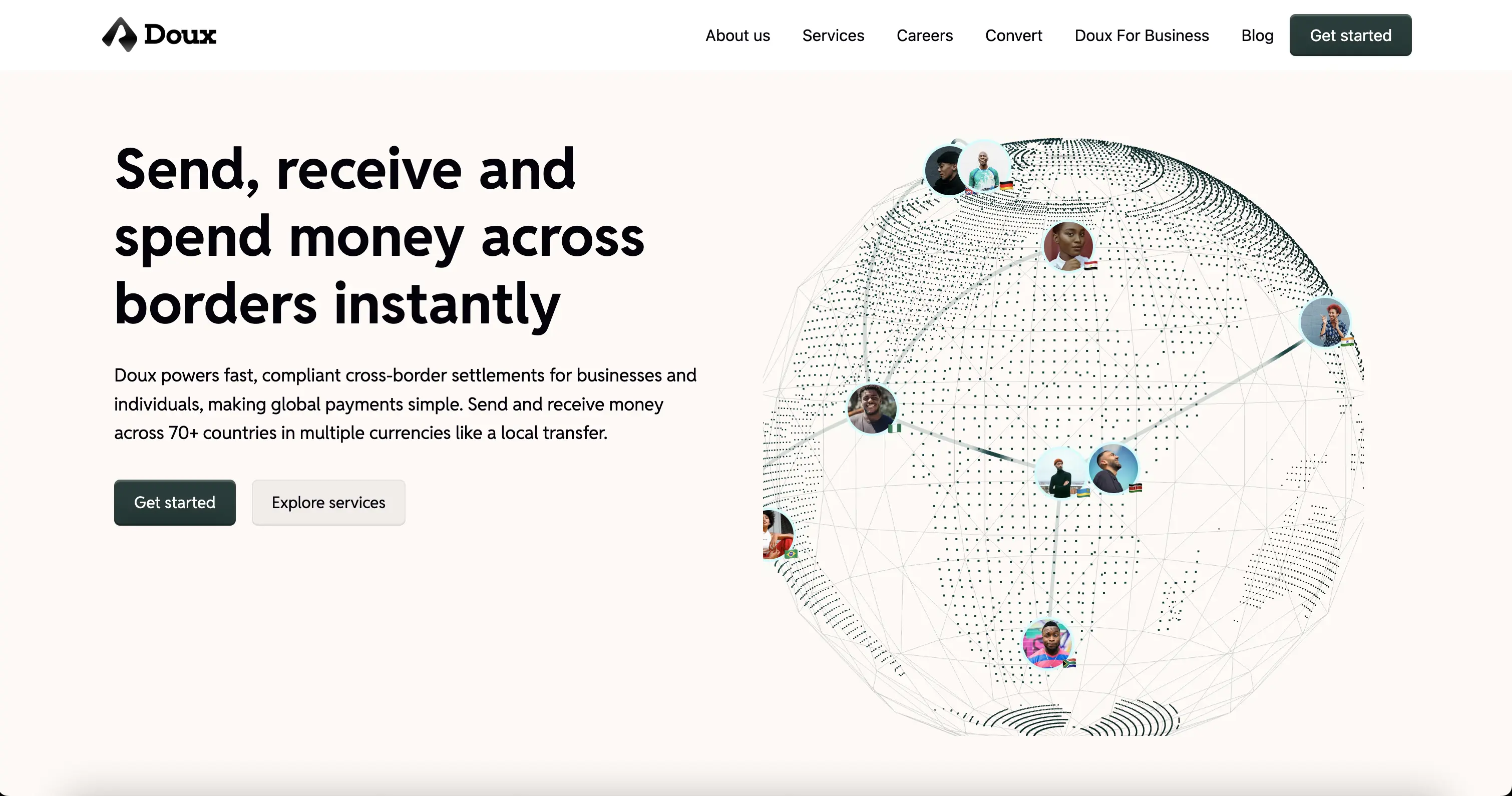
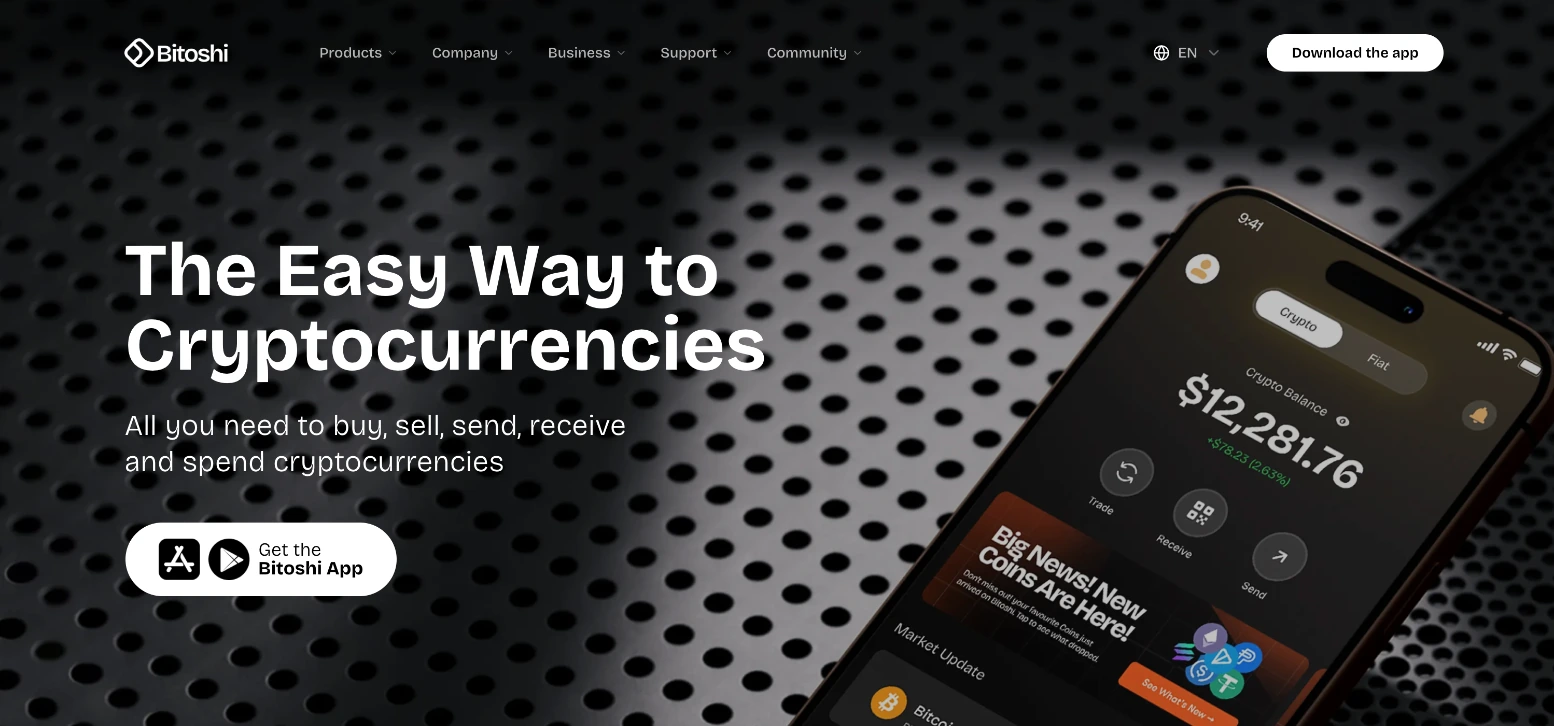
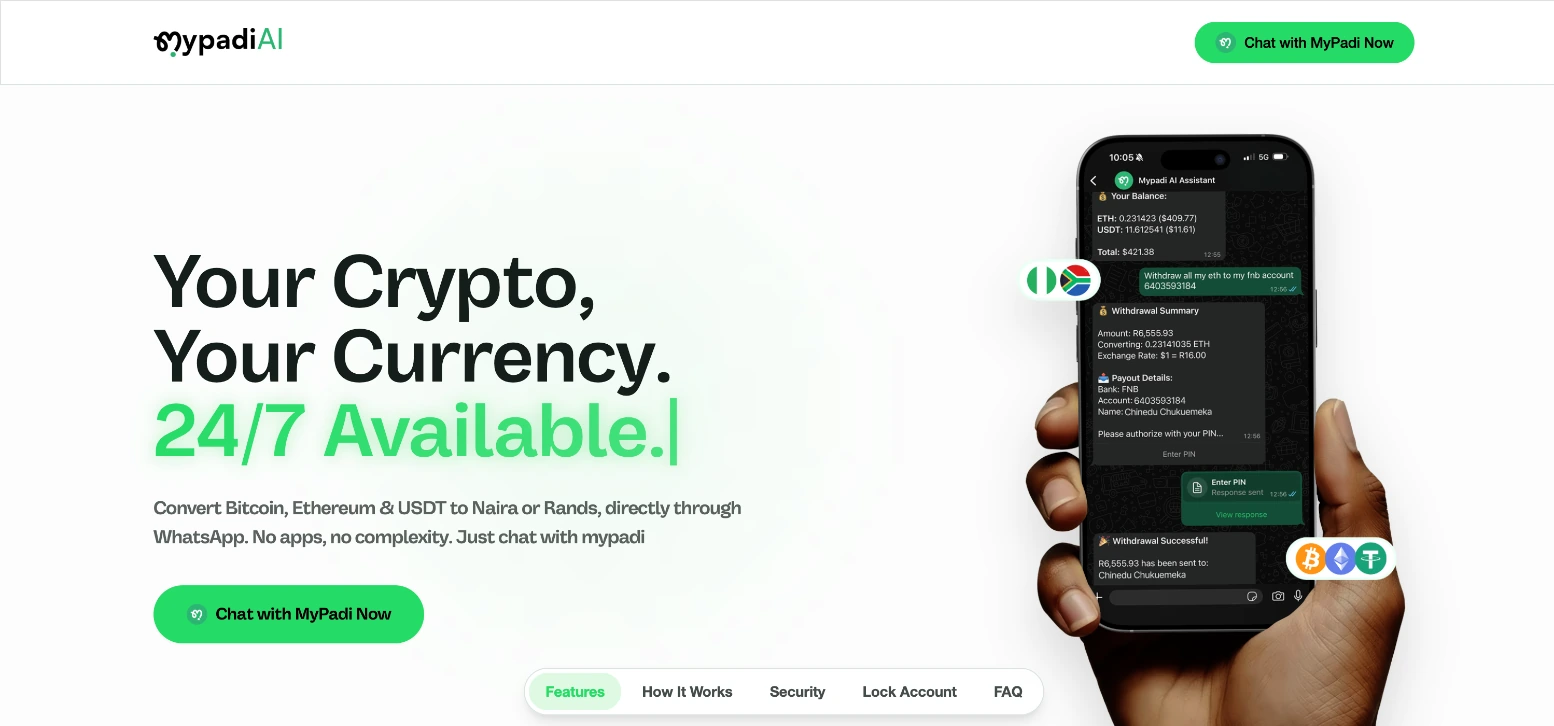
Three apps solving the same cash-out problem for different users:
Hyperbridge is a cross-chain interoperability protocol built by Nigerian founders Seun Lanlege and David Salami.
The problem: Most blockchain bridges rely on a trusted middleman to move assets between chains, and those middlemen get hacked.
The solution: A bridge secured by cryptographic proofs instead of trusted parties, connecting 14 chains. Hyperbridge raised a $2.5 million seed and has processed $92.4 million in volume.
These companies deal with physical movement: getting staff to work across Lagos traffic, getting parcels and cargo across cities and borders, and helping small sellers manage orders that arrive through Instagram and WhatsApp. Their common enemy is friction, whether that's a three-hour commute or a customs desk.
Shuttlers is a shared commuting platform, founded in 2016 by Damilola Olokesusi.
The problem: Lagos commuters rely on crowded, unsafe public buses, and companies lose productive hours when staff arrive late.
The solution: Staff transport for businesses, scheduled daily shuttles on fixed routes, vehicle rental and event transport. Shuttlers raised $4 million in 2023.
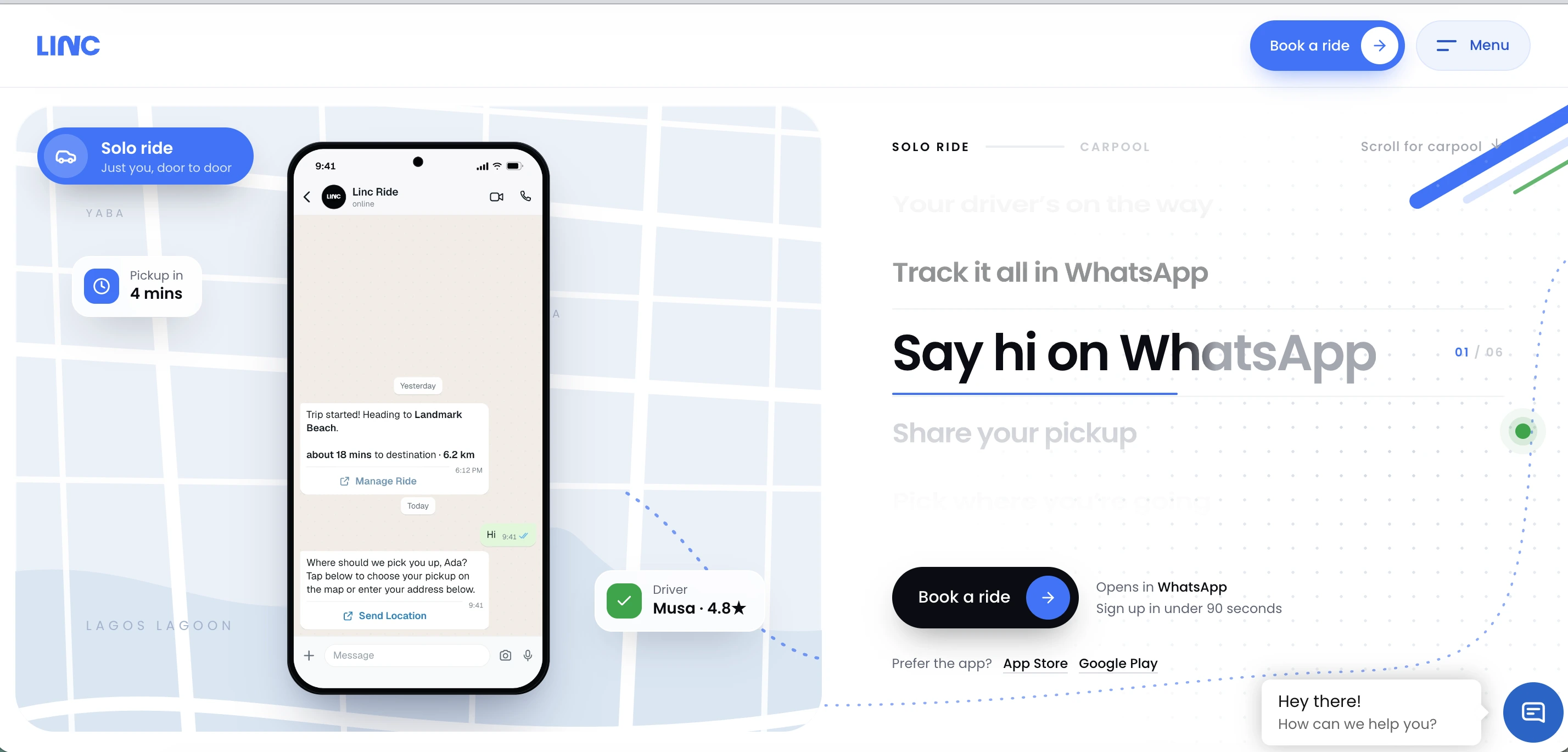
LincRide is a carpooling and ride-hailing app.
The problem: Solo rides across Lagos are expensive with today's fuel prices, and drivers lose a large share of each fare to platform commission.
The solution: Shared rides matched by route, private rides, a female-driver option and WhatsApp booking. Commission drops to 2.5% after a driver's first five rides of the day.
Fez Delivery is a last-mile and cross-border delivery company, founded in 2020 by Seun Alley.
The problem: Online stores and SMEs lose customers when deliveries arrive late or packages go missing.
The solution: Nationwide and international delivery, pickup lockers from ₦699 and a delivery API. Fez raised a $1 million seed led by Ventures Platform and counts OPay, Paga and Flutterwave as clients.
If you've ever imported from China, you know the dread of the words "held at customs".
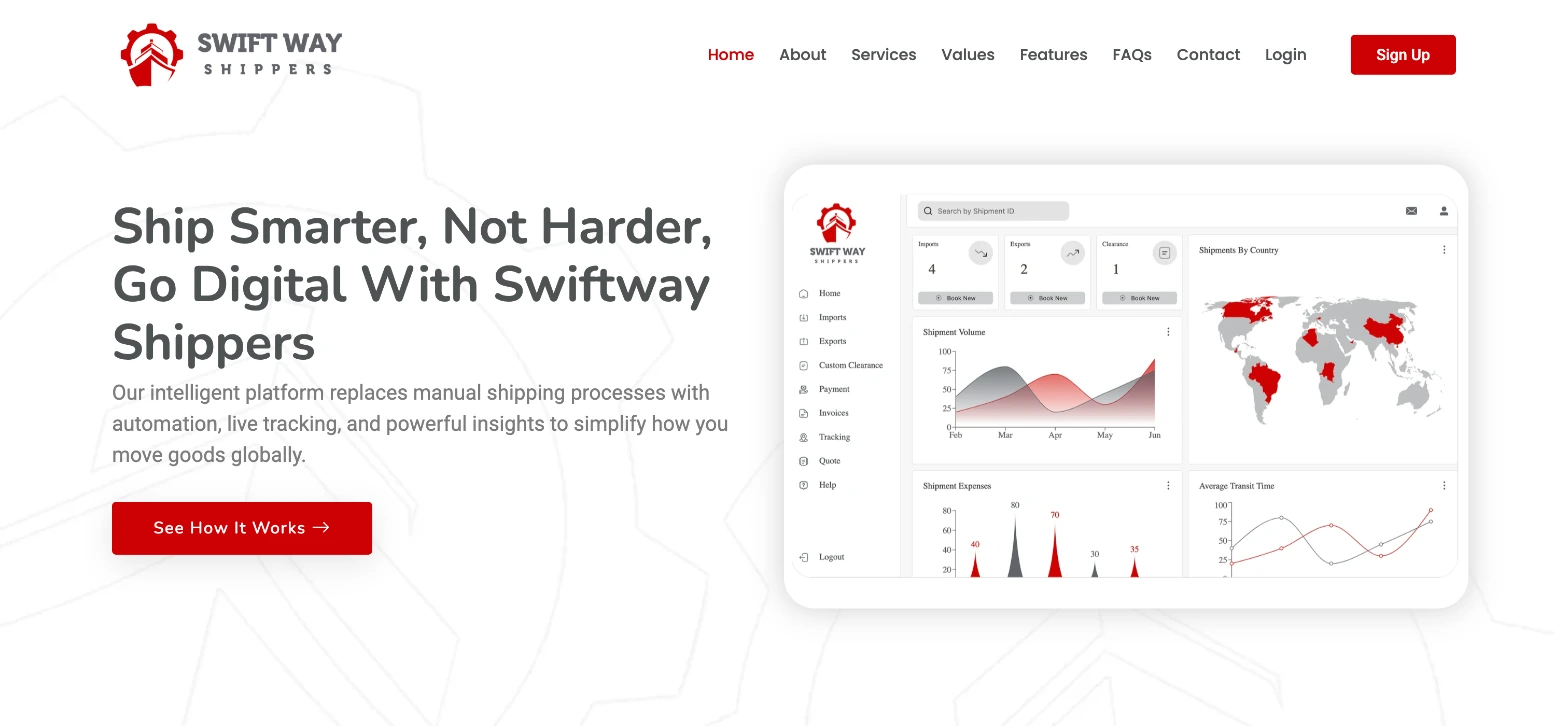
Swiftway Shippers is an Accra-based digital freight forwarder, founded in 2023 and part of the TC Battlefield top 20.
The problem: African SMEs importing from China, the US, Dubai and the UK deal with unclear freight pricing, paper-heavy customs clearance and no visibility on where their cargo is.
The solution: An online platform to book air and sea freight, clear customs, pay and track shipments. Swiftway raised a $100,000 pre-seed and has shipped 100+ tons of cargo.
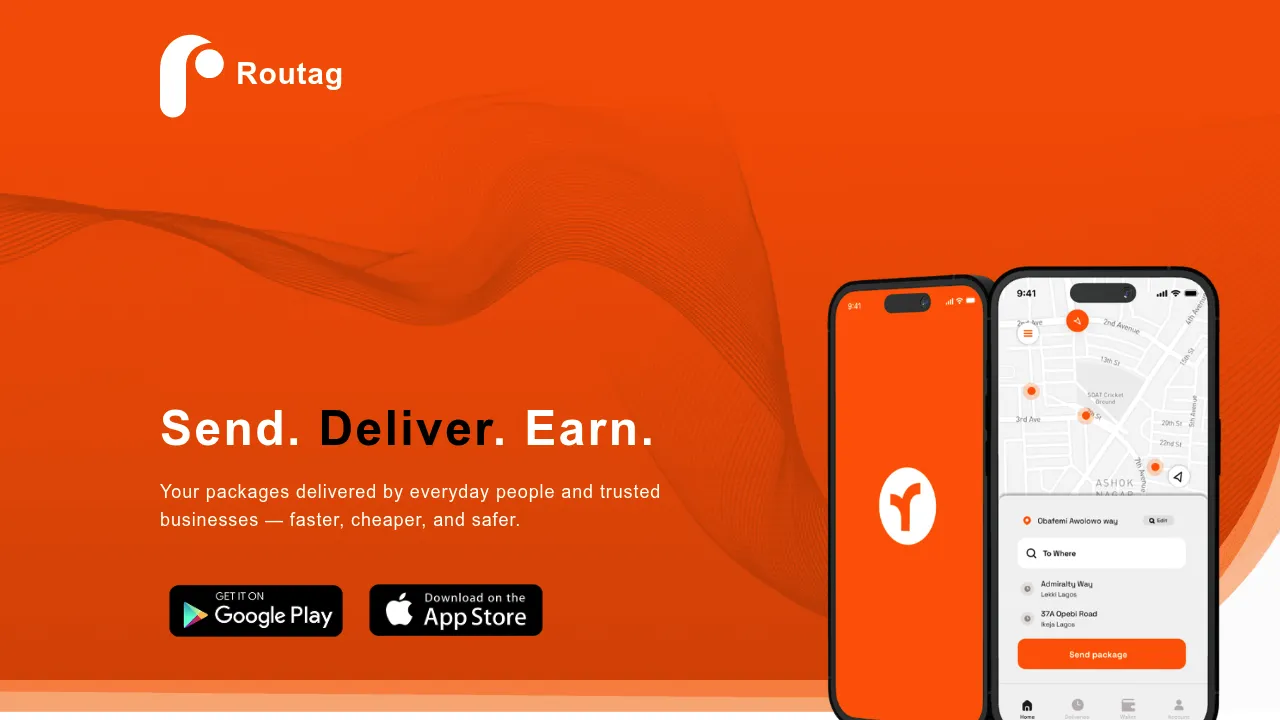
Routag is a peer-to-peer package delivery marketplace.
The problem: Sending a parcel between cities is costly and slow, while travellers making the same trip have empty space in their bags and cars.
The solution: Senders post packages and agree prices with verified couriers or travellers on that route, with live tracking and a wallet.
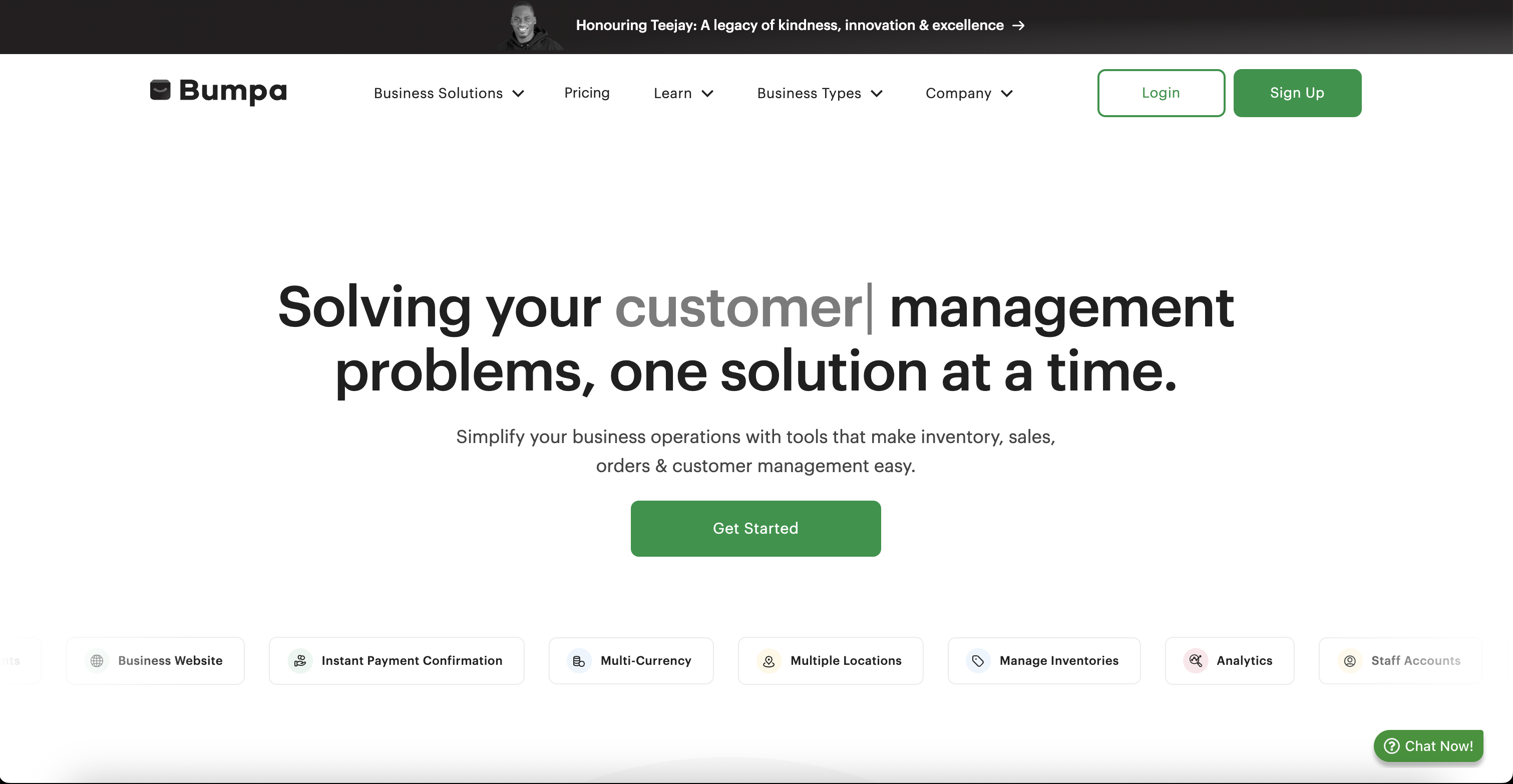
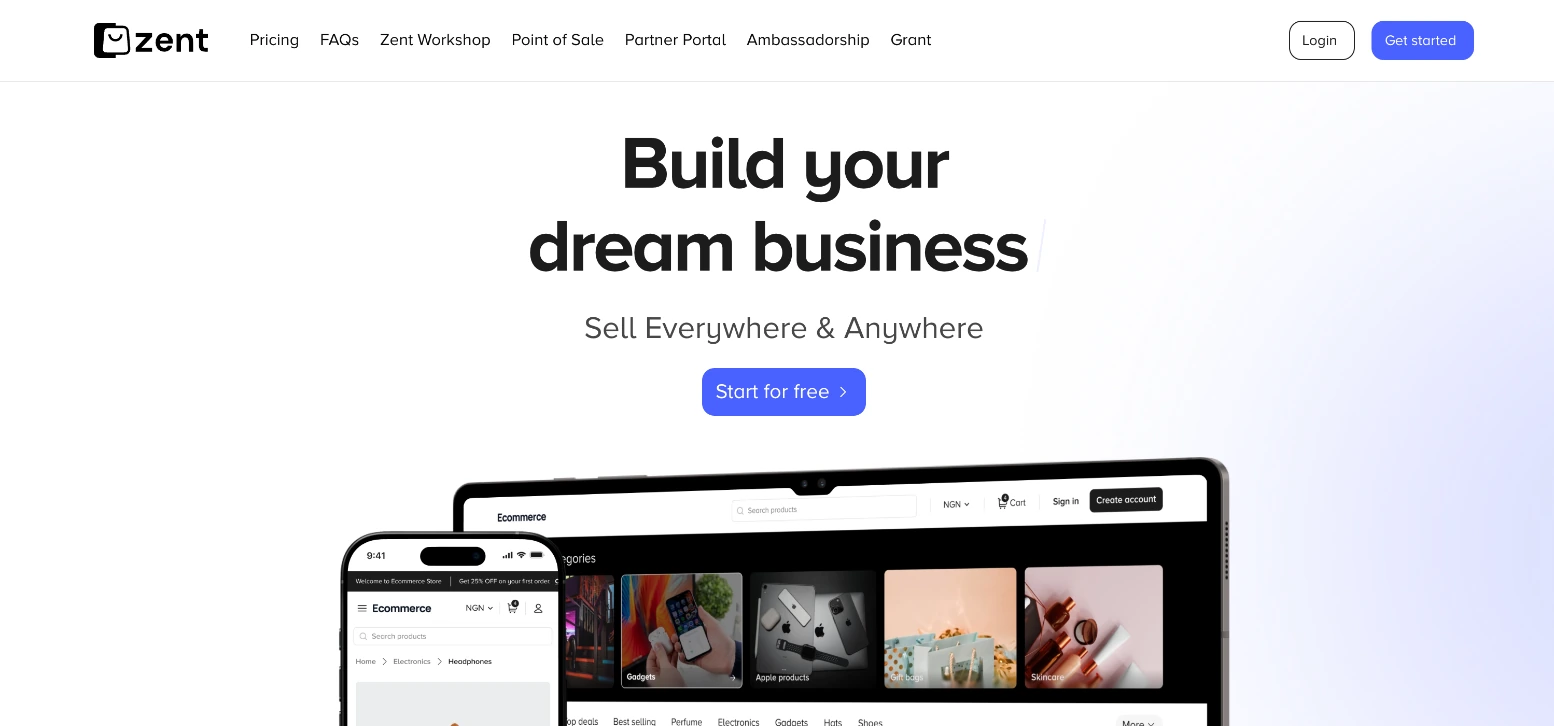
Bumpa and Zent are store and order management tools for social sellers.
The problem: Small businesses selling on Instagram, WhatsApp and TikTok track orders, stock and payments by hand, so orders get missed and stock counts go wrong.
The solution: Bumpa, founded in 2021, gives sellers storefronts, inventory, invoicing and POS; it had 50,000+ merchants when it raised a $4 million seed. Zent is a store builder with checkout, inventory, delivery integrations and multicurrency payments.

Suregifts is a digital gift card and rewards platform, launched in 2014.
The problem: Gift cards in Nigeria usually work at one store only, and companies running staff or customer rewards have to manage each merchant separately.
The solution: Multi-merchant gift cards usable at 200+ merchants, plus employee gifting, registries and airtime.
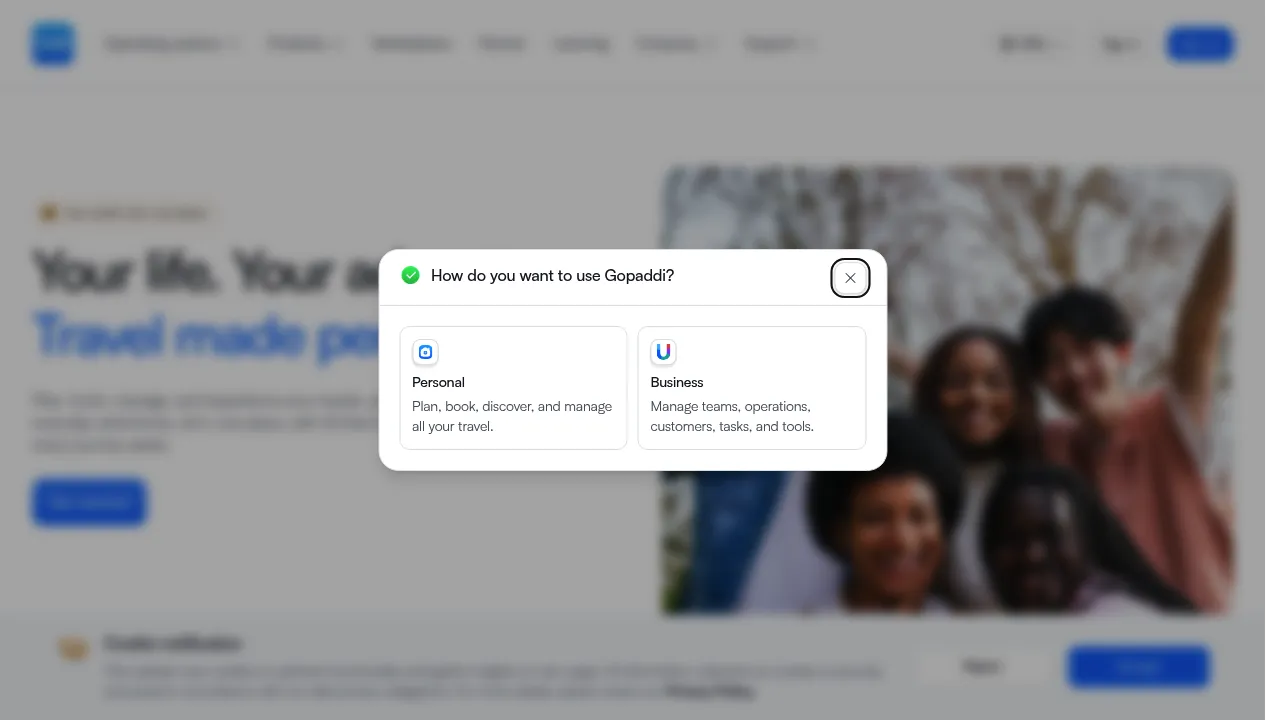
Gopaddi is a travel booking platform with an AI trip planner.
The problem: Planning a trip means booking flights, hotels and activities on separate sites, then piecing the itinerary together.
The solution: Paddi, an AI planner, plus bookings for flights, hotels, rentals, activities and packages in one app.
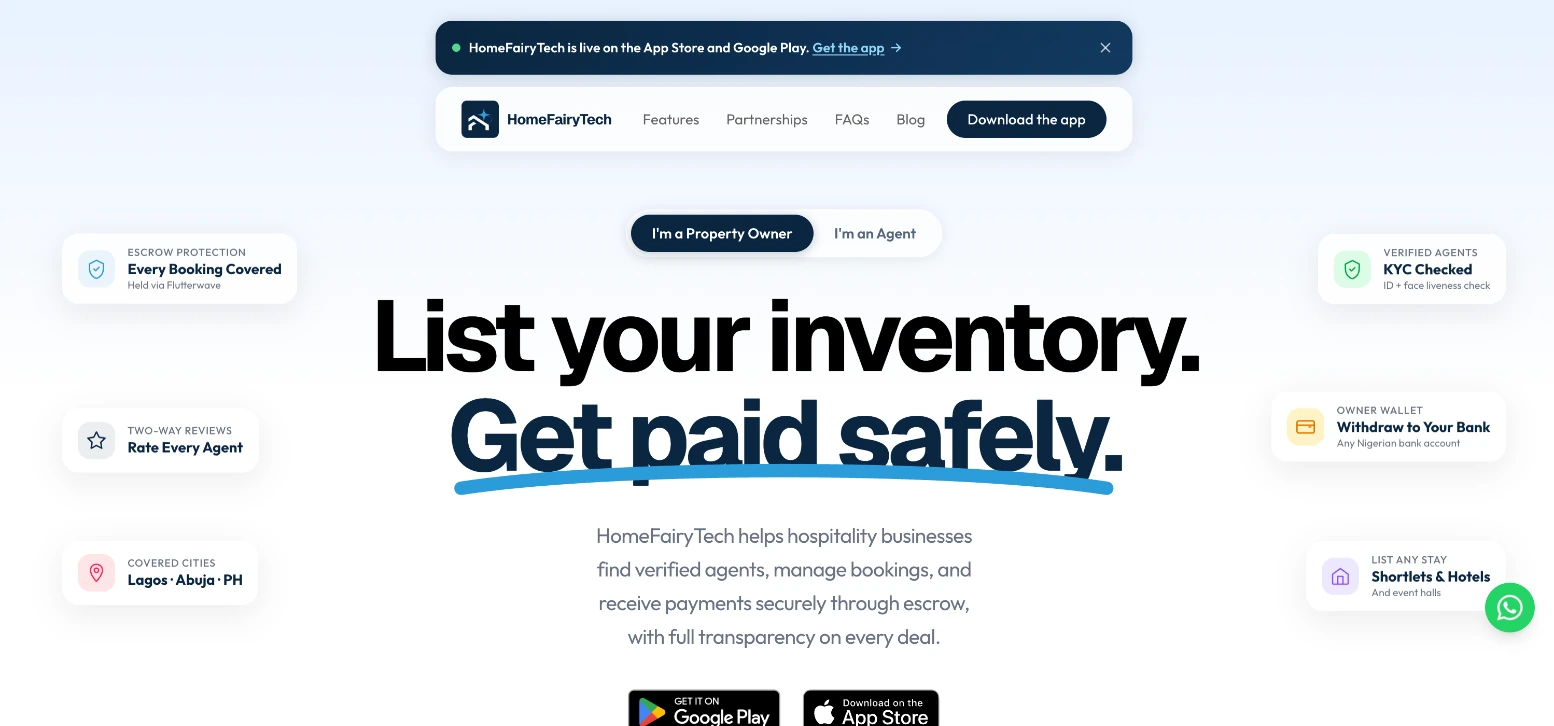
HomeFairyTech is a shortlet marketplace that verifies agents and property owners.
The problem: Shortlet guests in Nigeria regularly pay fake agents for apartments that don't exist.
The solution: ID and face checks for agents and owners, escrow payments and deal rooms, live in Lagos, Abuja and Port Harcourt.

This group builds the tools other businesses run on: voice AI, business operating systems, cloud, messaging, adtech and event software. Many of them exist because global software doesn't handle African accents, currencies, tax rules or the way customers here buy.
Ask a global voice AI to understand a caller in Lagos on a bad network, and you'll see the problem.
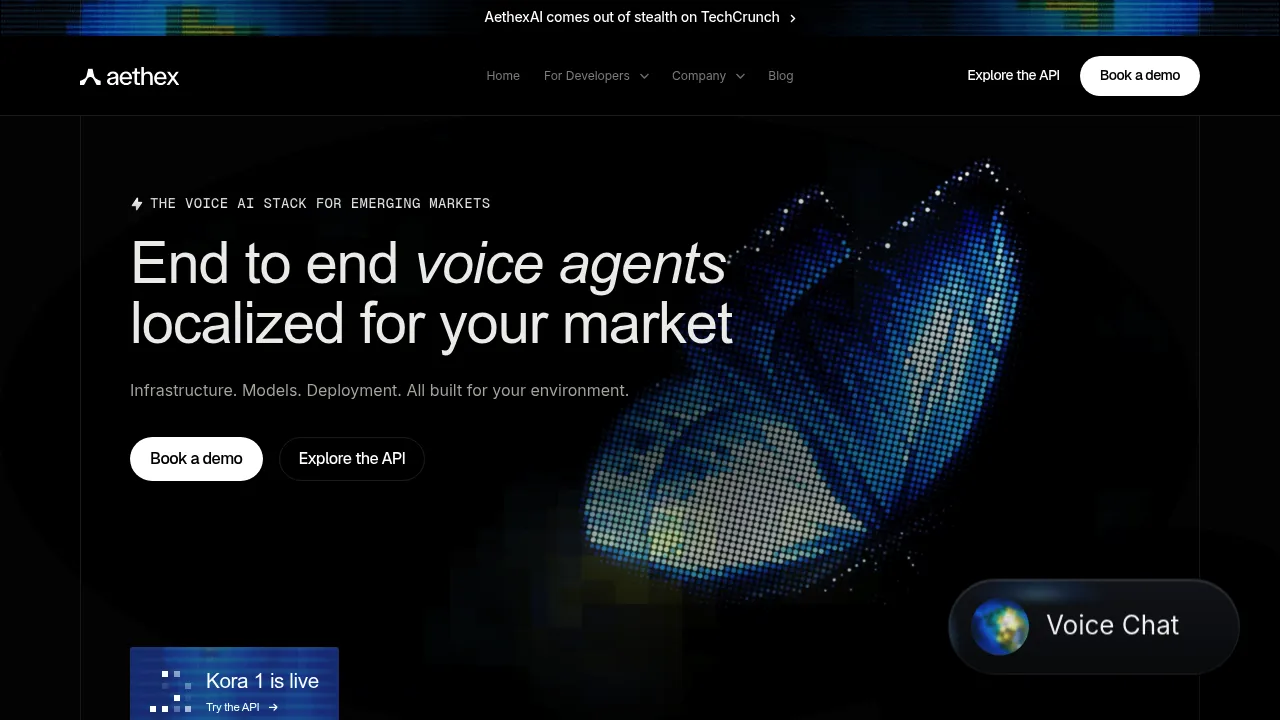
Aethex AI is a voice AI company building speech models for emerging markets, founded by Mariama Diallo and Ayooluwa Odemuyiwa.
The problem: Global voice models misread African accents and dialects, especially on noisy phone lines, so call centres can't automate calls reliably.
The solution: The Kora speech models (covering 25+ languages and dialects), text-to-speech and an agent studio for building voice agents. Aethex raised a $3 million pre-seed led by 4DX Ventures in 2026.
Andela is a global tech talent marketplace, founded in Lagos in 2014.
The problem: Skilled African engineers struggle to get hired by global companies, and those companies struggle to find and vet remote talent.
The solution: Andela Talent Cloud, plus Codewars and Qualified.io for skills assessment. Andela has trained 200,000+ technologists and works with 650+ clients.
BrandDrive is business management software that bills itself as "the operating system for African businesses".
The problem: Nigerian SMEs run accounting, sales, stock and payroll on separate tools or notebooks, and now have to comply with FIRS e-invoicing.
The solution: Accounting and tax (including FIRS e-invoicing), POS, inventory, invoicing, payroll and Nivram AI, an assistant that answers questions using the business's own data.
Yes, that's us.
Liners is a discovery and review platform for software built in and for Africa.
The problem: Global review sites like G2 and Capterra barely list African software, so buyers choose tools by word of mouth.
The solution: Liners, the home of African software, lists products alongside their reviews, alternatives, investors, funding history and news, kept up to date by human researchers and AI agents. It tracks 3,890 products across 54 countries.
Mercurie is a payments platform for buying global software and cloud services, founded by ex-Google executive Ayode Akinfemiwa.
The problem: Nigerian businesses paying for Google Ads, Google Workspace or AWS face failed Naira cards and unpredictable exchange rates.
The solution: Payment for Google, AWS, Zoho, DigitalOcean and Huawei services in local currency, with all subscriptions managed in one place.
Cognetiks is a cloud, DevOps and AI consultancy with offices in Lagos and London.
The problem: African businesses moving to the cloud often overspend or suffer outages because they lack in-house cloud engineers.
The solution: Cloud migration, DevOps, managed cloud and AI services as an AWS, Google Cloud and Azure partner. It was named 2024 AWS EMEA Rising Star Consulting Partner of the Year.

KudiSMS is a business messaging platform, running since 2011.
The problem: Undelivered OTPs and transaction alerts lock customers out of their accounts and flood support lines.
The solution: Bulk SMS, WhatsApp, email, voice and phone verification via web and API.
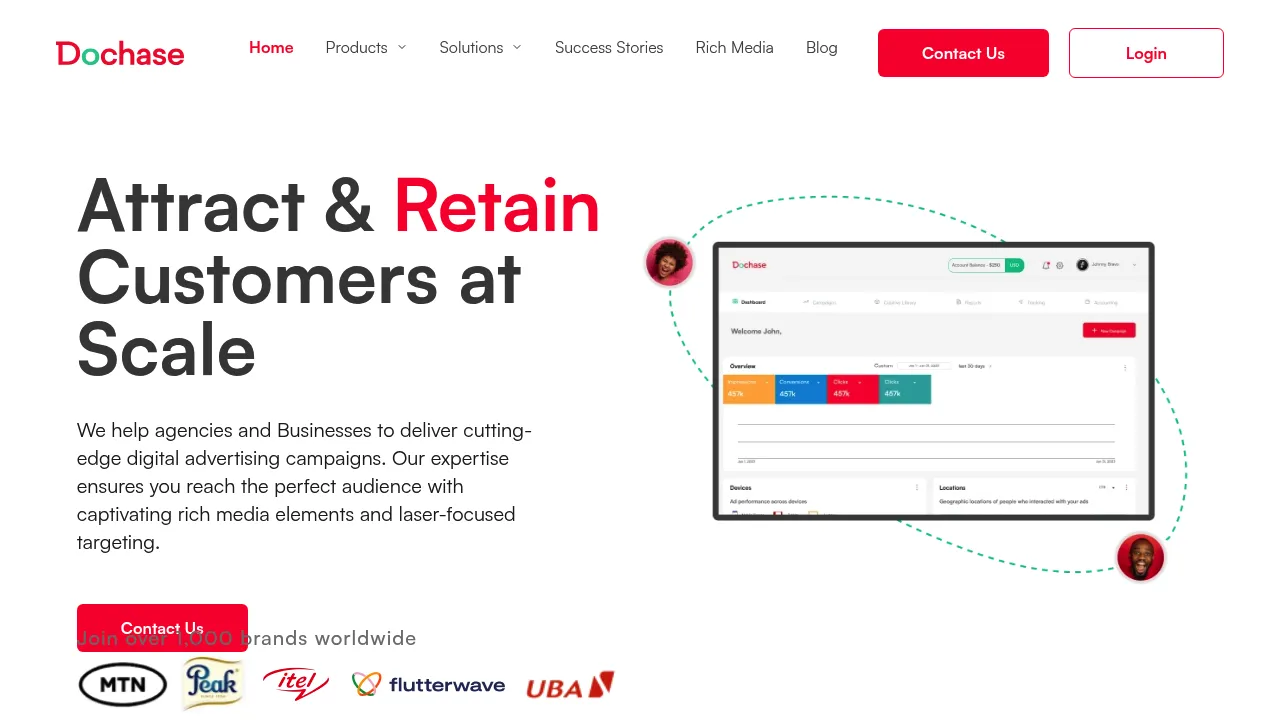
Dochase is a programmatic advertising company, founded in 2016.
The problem: Seven in ten users skip ads, so African brands pay to reach people who never see their message.
The solution: Programmatic, video and native ads, Click-to-WhatsApp and Click-to-USSD formats, rewards and Retain AI. Dochase acquired 50,000 merchants for Flutterwave.
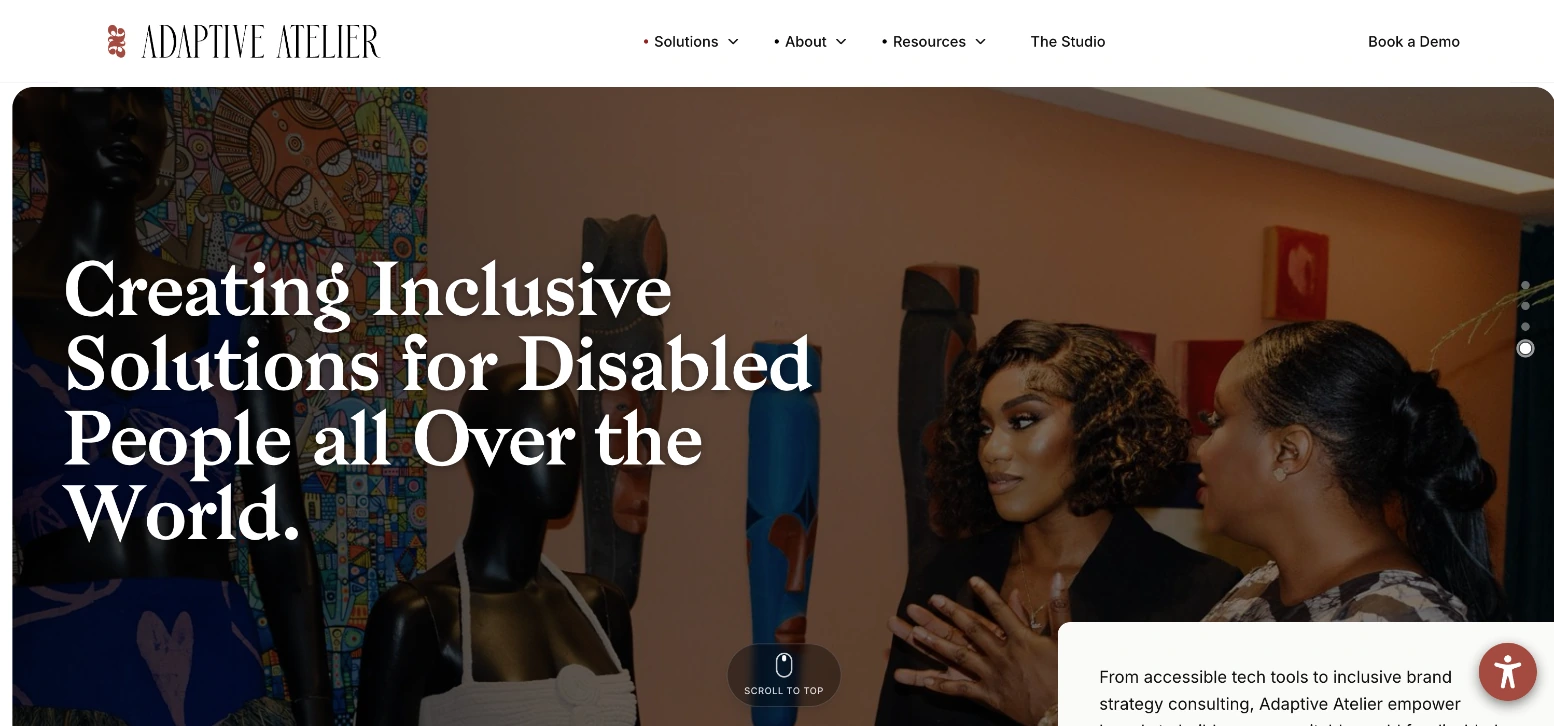
Adaptive Atelier is an accessibility technology company, founded in 2023 by Toyosi Badejo-Okusanya.
The problem: About 35 million Nigerians live with disabilities, yet most African websites and apps can't be used with screen readers or by neurodivergent users.
The solution: AdaptiveWiz (a real-time accessibility layer for websites), accessibility testing and consulting, backed by a network of 5,000+ disabled testers.
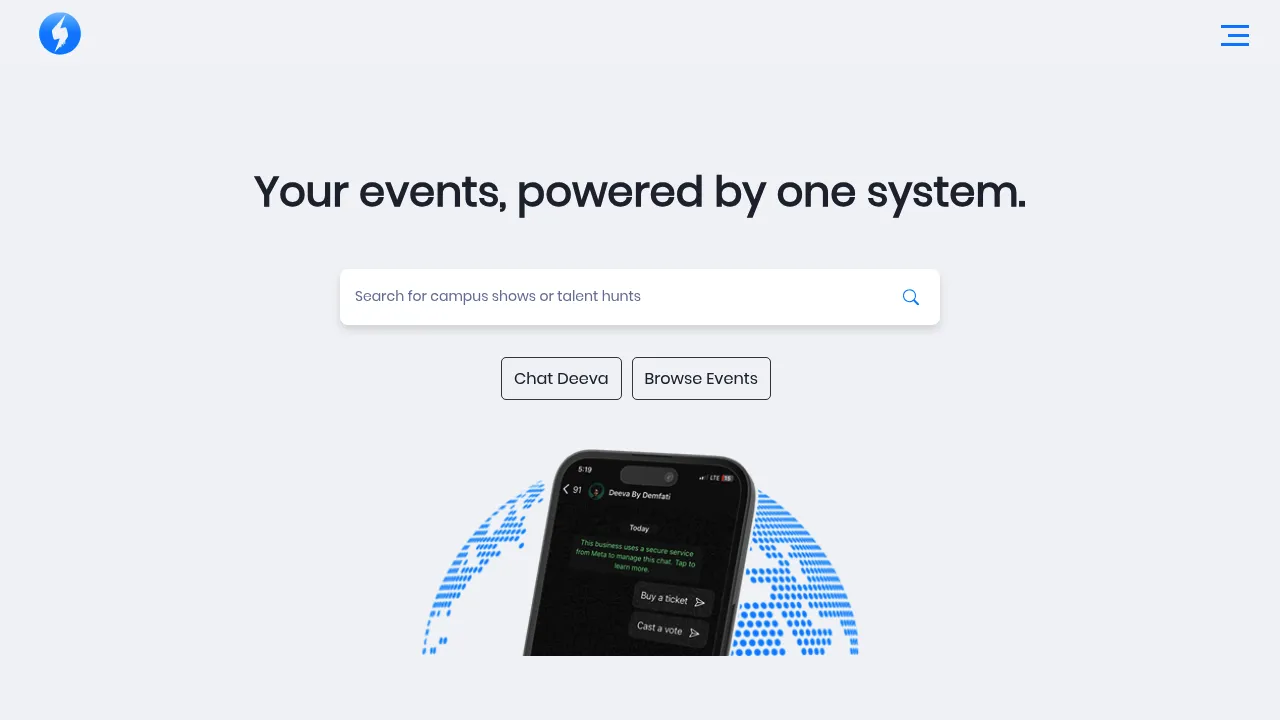
Demfati is an event platform for ticketing and voting, and part of the TC Battlefield top 20.
The problem: Event organisers use six or more separate tools for ticketing, voting, registration and payments, and lose money to fake tickets.
The solution: Ticketing with fraud protection, live voting, forms, auto-built event sites and Deeva, an AI assistant that sells tickets on WhatsApp. Demfati hosted 200+ events after its beta.
Outside finance, the companies at Moonshot 2026 tackled access: healthcare people pay for out of pocket, too few university places, legal rights people don't know they have, and businesses running on generators. Most use networks people already have, like pharmacies, WhatsApp and the internet, to deliver the service.
WellaHealth is a health-tech company that runs care and insurance through community pharmacies, founded by Dr Ikpeme Neto.
The problem: Most Nigerians pay for medicine and treatment from their own pockets, and health insurance barely reaches informal workers.
The solution: Wefill (chronic medication refills for HMOs), Zoi (small health plans sold inside apps like PalmPay and MTN) and tools for pharmacies. WellaHealth works with 3,200+ partner pharmacies and covers 200,000+ people across all 36 states.
Think of JusticePadi as a lawyer-shaped friend in your WhatsApp.
JusticePadi is a legal-rights AI chatbot on WhatsApp.
The problem: People facing arrest, detention, sexual violence or online abuse often don't know their rights or who to call, and lawyers are expensive.
The solution: Users describe their situation on WhatsApp, get step-by-step guidance, and urgent cases are passed to human support. It serves citizens, protesters, journalists, creators and paralegals.
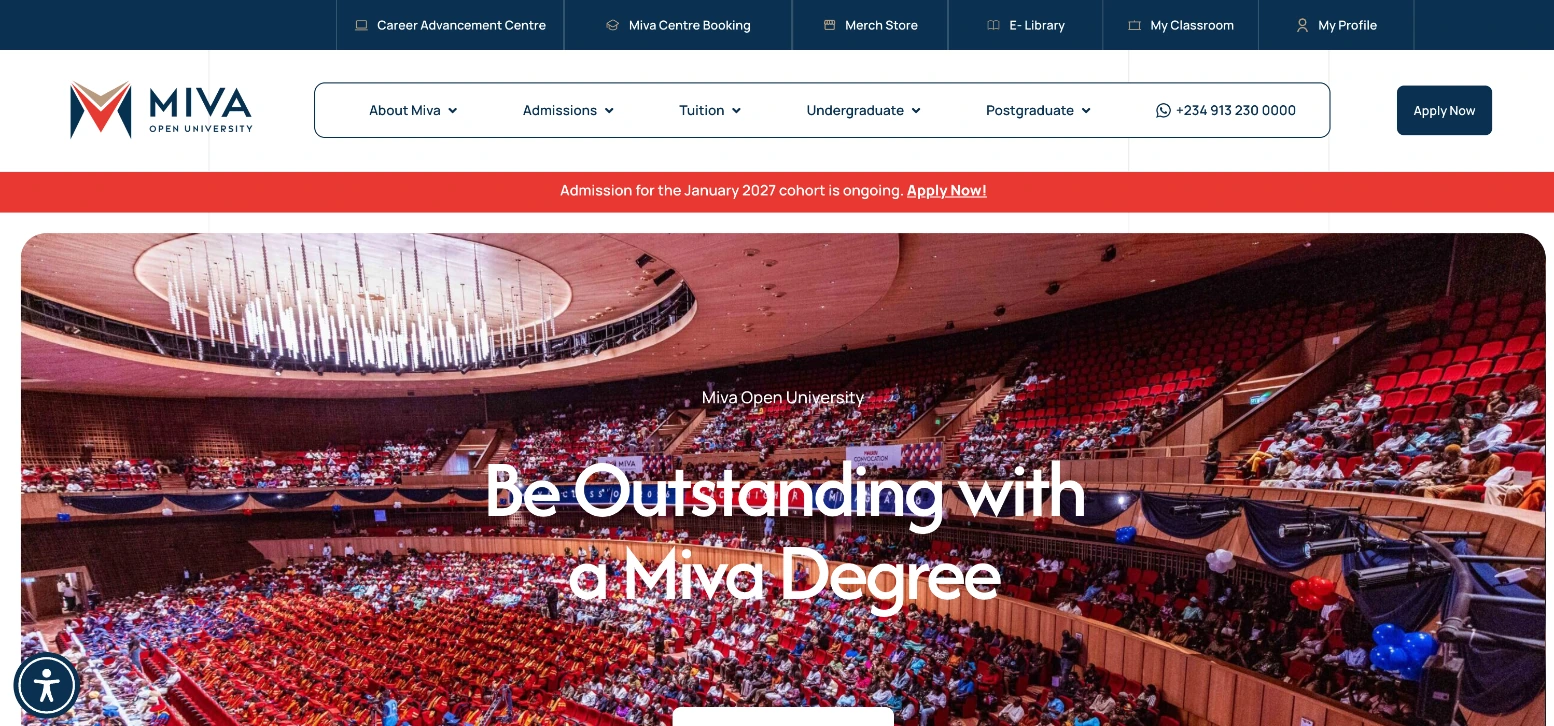
Miva Open University is Nigeria's first operational private open university, part of Sim Shagaya's uLesson Group.
The problem: Only about one in four Nigerian university applicants gets a place each year, and working adults can't attend a physical campus.
The solution: Blended online degrees in computing, management, allied health, education and media, plus master's programmes. Miva passed 20,000 students in early 2026 and is targeting 100,000 by 2027.

Edutech Global is an edtech holding company led by co-founder and CEO Onyekachi Ginger-Eke.
The problem: Schools and training institutions in Africa lack affordable digital learning tools that still work when the internet doesn't.
The solution: VigiLearn, a learning management system with offline access and gamification, and Bursery. Edutech Global has offices in Lagos, Dubai and Texas.
Nigerians spend over $22 billion a year on generator fuel.
Earthbond is a solar marketplace for businesses, founded in 2023 by Chidalu Onyenso.
The problem: Nigerian SMEs spend heavily on generator fuel because the grid supplies a few hours of power a day, and a solar system is too expensive to buy outright.
The solution: A savings analysis, financing over up to 48 months, matching with accredited installers, and carbon accounting that unlocks offset-based discounts. Earthbond raised pre-seed funding from Madica.
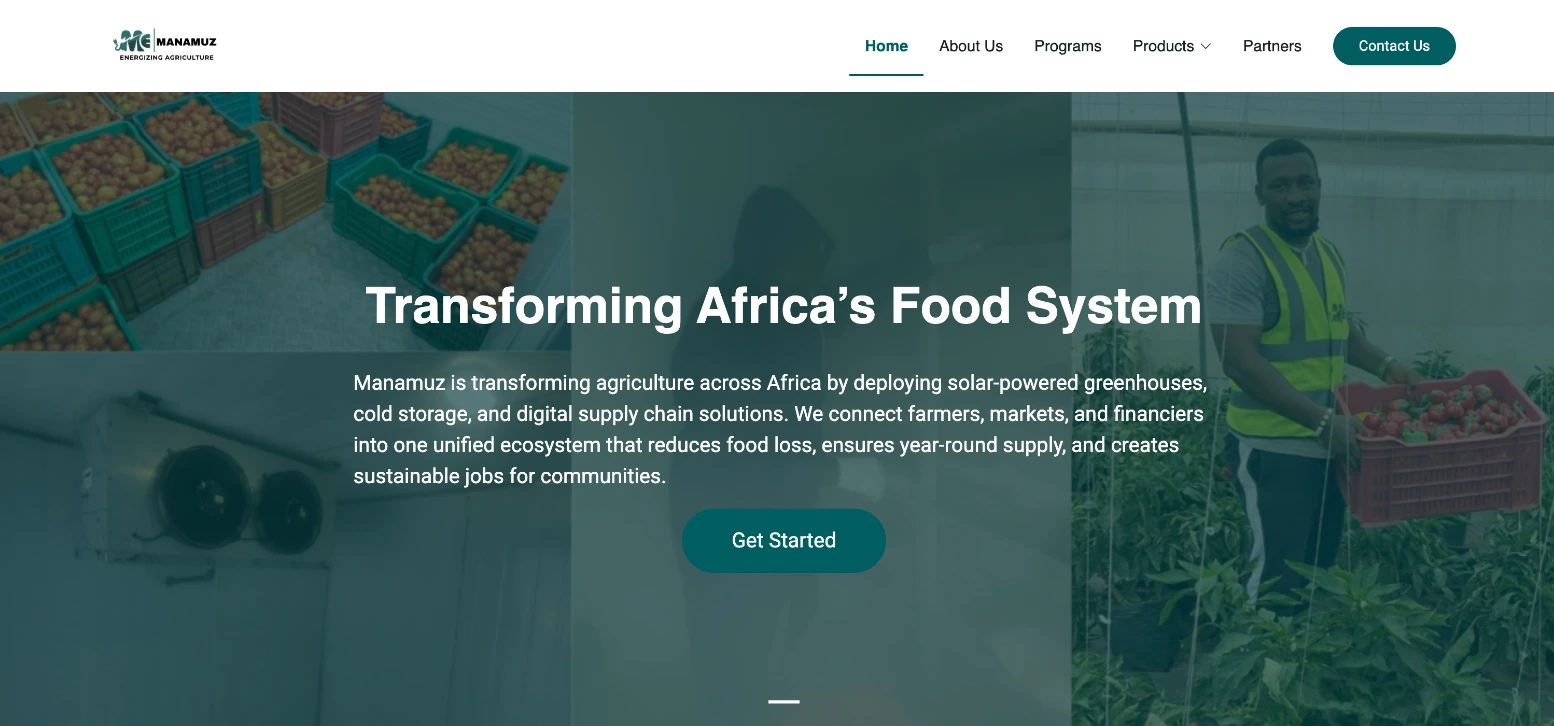
Manamuz builds solar-powered cold rooms and greenhouses for farmers, led by CEO Uzochukwu Mbamalu in Enugu.
The problem: Under 3% of first-mile produce that needs cooling in sub-Saharan Africa gets refrigerated, so farmers lose much of their harvest before it's sold.
The solution: ColdBox solar cold rooms and clusters of solar-irrigated greenhouses, with farmer financing and links to buyers.
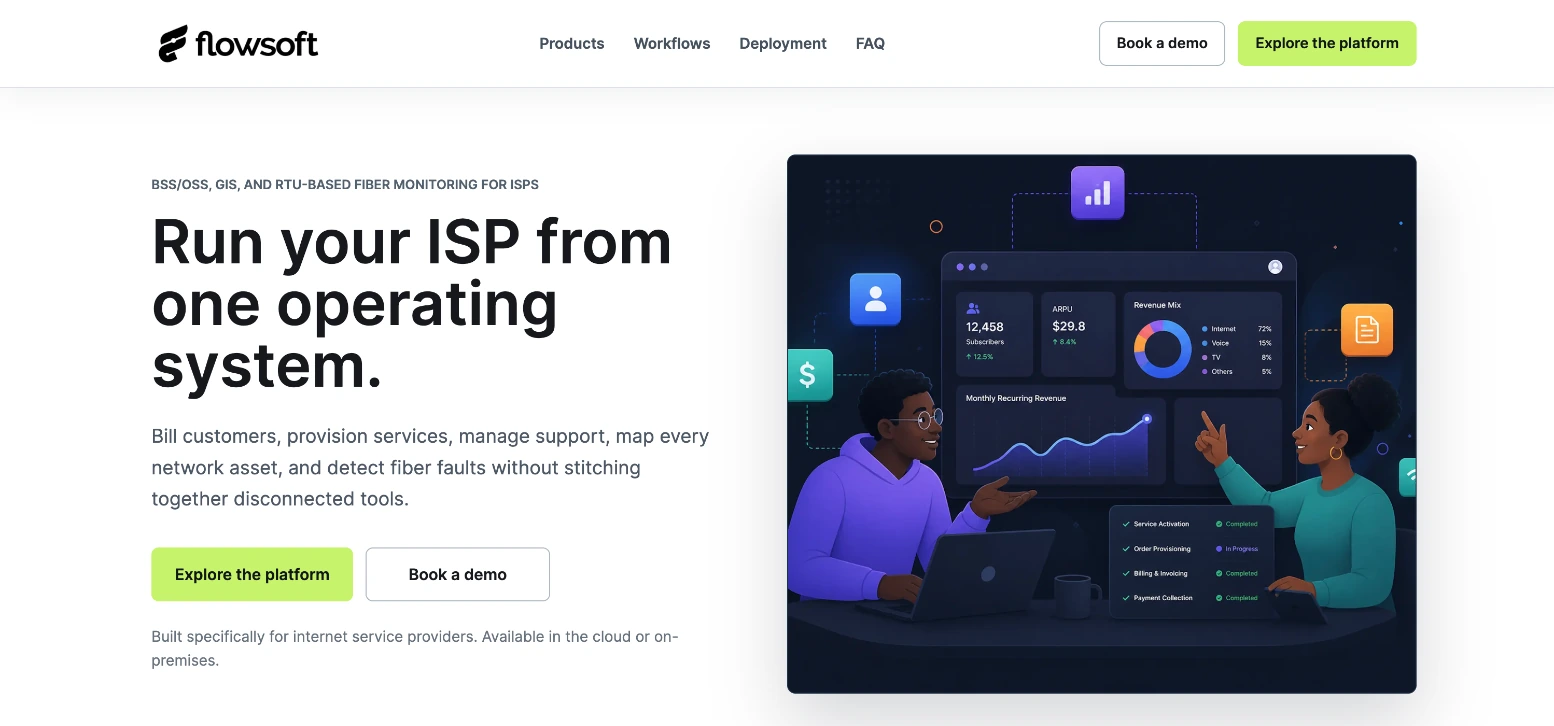
Flowsoft is an operating system for internet service providers, shown in the Deep Tech pavilion.
The problem: ISPs run billing, provisioning and fibre maintenance on separate tools, and finding the exact spot of a fibre cut can take days.
The solution: The Flowsoft Platform (billing and operations), InMap (GIS mapping of fibre networks) and Merlin (hardware that locates fibre cuts in real time). Customers include Luli Fiber and Gox Connect.
Ten startups made the final of TC Battlefield 2026, TechCabal's pitch competition sponsored by Yango Group, with $17,500 in equity-free prizes. Acecore won, Supplya came second and Navidyn third. Six finalists have been named publicly so far.
| Startup | Result | Problem | What they've built |
|---|---|---|---|
| Acecore | Winner, $10,000 | Power cuts and costly fuel for backup generators | Powercell, a locally made solar battery system managed through an AI app |
| Supplya | Runner-up, $5,000 | Small retailers paying cash upfront to restock from scattered suppliers | B2B sourcing from verified suppliers with interest-free buy now, pay later |
| Navidyn Limited | Third, $2,500 | Not public yet | Not public yet |
| Fertitude | Finalist | Women without expert support on fertility and pregnancy | Cycle tracking, an AI assistant, specialists and treatment financing |
| Lena | Finalist | Children falling behind in maths, literacy and science | AI learning games aligned to the Nigerian curriculum |
| Qiqi Farms | Finalist | Produce spoiling between farm and buyer | Farm-to-market distribution with its own cold chain |
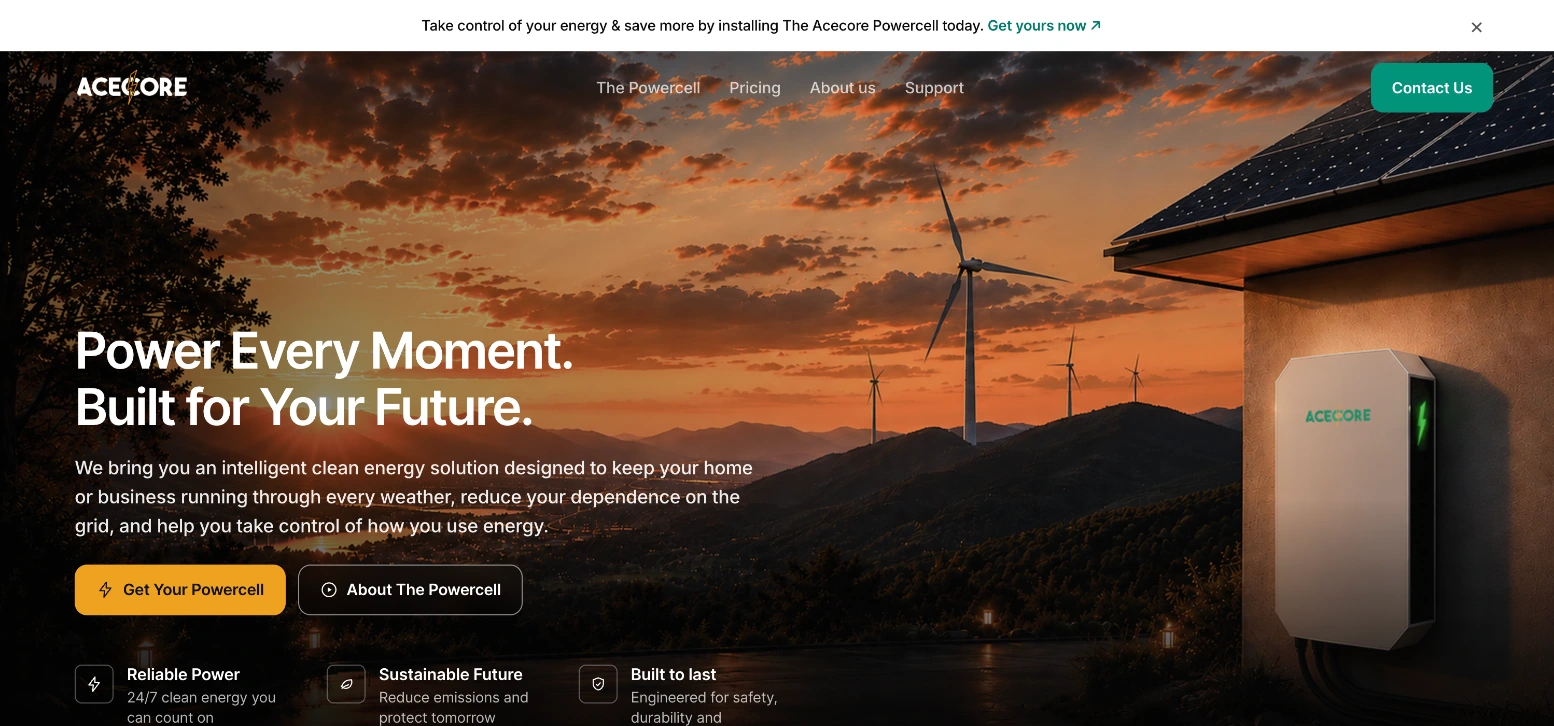
Think of Acecore as a power bank for your whole house, except it's built in Nigeria.
Acecore is a Nigerian climate-tech company, founded in 2022 by Caleb Iwuoha and linked to Oyigbo in Rivers State.
The problem: Homes and businesses lose power several times a day and spend heavily on petrol and diesel to run generators.
The solution: The Acecore Powercell, an all-in-one solar system with lithium-ion storage, assembled locally and managed through an AI-powered app that monitors energy use. Before Moonshot, it had 140 customers on its waitlist and letters of intent from two real estate developers.
If you've ever watched a shop owner close for half a day to restock at a wholesale market, you understand Supplya.
Supplya is a Lagos B2B marketplace, founded in 2021 by Opeyemi Kehinde (CEO) and Joy Adeniran (COO).
The problem: Small retailers close their shops to travel to wholesale markets, pay cash upfront for stock, and can't get loans to buy more.
The solution: A platform that connects retailers to verified suppliers and manufacturers, with interest-free buy now, pay later on inventory and a free online storefront. Supplya was backed by IFC's She Wins Africa programme in 2024.
Navidyn took third place and $2,500. At the time of writing, the company hasn't published a website or product details, so we'll update this entry once it does.
Fertitude is building the support system many African women don't get from a 10-minute clinic appointment.
Fertitude is a Lagos-based women's health platform, co-founded by Dr Kieva Chris-Amusan.
The problem: Women trying to conceive or going through pregnancy in Nigeria often get a short clinic visit and little follow-up, and treatments like IVF are paid for in cash.
The solution: Period and ovulation tracking, Kiki (an AI assistant), a marketplace of fertility and pregnancy specialists, and Mula by Fertitude, which finances treatments like IVF. The app launched in March 2024 and signed up over 1,000 users in its first three months.
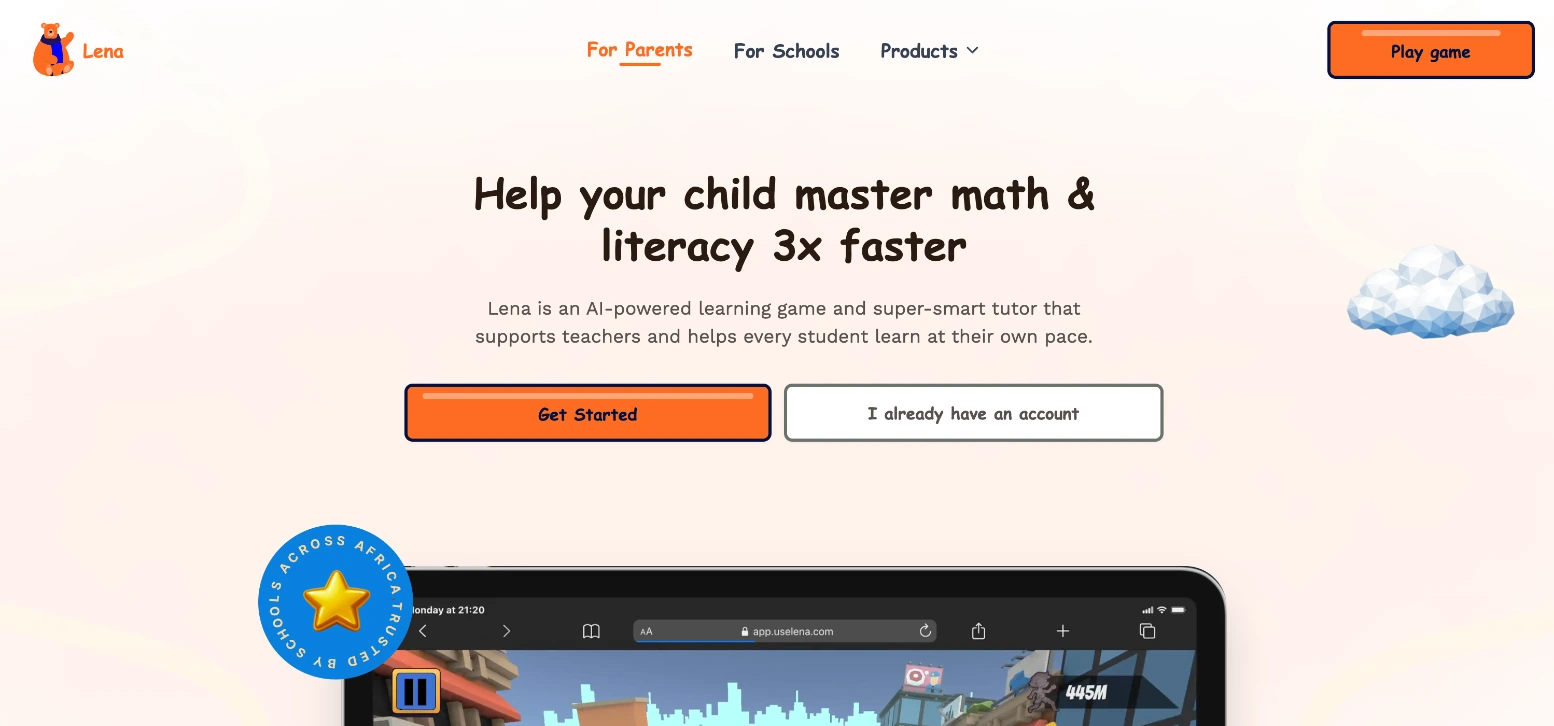
Lena turns maths homework into a game kids want to play.
Lena is a Lagos edtech, founded by Danny Ombeh and Faruk Bilesanmi and launched in September 2025.
The problem: Many Nigerian children fall behind in maths, literacy and science, and teachers have no simple way to track each pupil's progress.
The solution: AI-powered learning games aligned to the Nigerian curriculum, a school dashboard and a computer-based testing tool with auto-marking. Lena has onboarded two schools (about 380 students) and 228 parent users.
A tomato that rots on the road from Kano to Lagos is lost income for the farmer and a higher price for you.
Qiqi Farms is a Lagos food distribution company, founded in 2020.
The problem: Fresh produce spoils on the way from farms to markets because most of it travels without refrigeration.
The solution: Farm-to-market distribution with its own cold chain (cooling vans, ice-cell bikes and a solar-powered cold room) and a procurement platform for restaurants and hotels. Qiqi serves 2,500 households a month and 50 hospitality clients.
Put almost 100 companies side by side and six patterns show up. Most of them are fixing basic infrastructure: how money crosses borders, how small businesses run day to day, and how people protect their savings from a falling Naira.
1. Cross-border money is the problem of the decade; Grey, Raenest, Juicyway, Esca, HoneyCoin, Nefer, Timon and over a dozen others exist because getting paid from abroad, paying a foreign supplier or sending money to another African country is still slow and expensive.
2. Stablecoins went mainstream, and nobody calls it crypto anymore; HoneyCoin, Daya, Busha, Kredete and PIL settle transactions in stablecoins, while the customer sees a dollar account or a card.
3. Protecting savings from inflation is its own category; PiggyVest, Risevest and the dollar-account apps all help people move money out of Naira or earn returns that outpace inflation.
4. AI is being built for African realities; Aethex trains voice models on African accents, Lena follows the Nigerian curriculum, JusticePadi explains Nigerian rights on WhatsApp, and BrandDrive handles FIRS e-invoicing. The AI isn't generic; it's local.
5. Energy is everyone's problem; Acecore, Earthbond, Manamuz and Rivy all sell or finance solar, and Acecore winning TC Battlefield shows how urgent the judges rated it.
6. WhatsApp is the new app store; JusticePadi, MyPadi, Demfati's Deeva and LincRide all serve users inside WhatsApp, because that's where Africans already spend their day.
Liners Tip: Before signing up for any of these products, check its Liners page for user reviews, alternatives and funding history. A booth at Moonshot tells you what a company promises; reviews from people who've used it for a year tell you whether it delivers.
Almost 100 companies, and nearly all of them started from a problem their founders deal with every day: dollar payments that take a week to arrive, generators running for most of the day, savings losing value as the Naira falls, and parcels lost between cities.
If one of these companies solves a problem you have, try it, then come back and tell others how it went.
Know a company we missed, or used one of these products? Write a review on Liners and help the next person choose.
The Liners Team
Sign in to keep reading
Create a free account to read the full study and every other Liners research report.
Moonshot is TechCabal's annual African tech conference. The 2026 edition, its fourth, ran on 28 and 29 October at the National Theatre in Lagos under the theme "Courage & Conviction: Building for a New World", with Grey as headline sponsor.
Over 7,500 people attended across two days, up from about 6,000 in 2025.
Acecore, a Nigerian climate-tech startup building locally made solar battery systems, won $10,000. Supplya came second with $5,000 and Navidyn Limited placed third with $2,500.
Payments and cross-border money, with over 20 companies including Flutterwave, Paystack, Interswitch, OPay, Grey, Raenest and Juicyway. Banking, savings and credit came second.
Most were Nigerian, but not all. HoneyCoin is from Kenya, Swiftway Shippers is from Ghana, Accrue operates from Accra and Lagos, and several Nigerian-founded companies are registered in the US, UK, Canada or Ireland.
Most of them are listed on Liners, where people find software built for Africa along with reviews, alternatives and funding history.
One email per report. The headline finding, the sample, and a link, nothing else.
Roughly one email a month.
 Fintech
A Liners field study of 142 sign-ups across 17 virtual dollar card apps in Nigeria, from KYC and card creation to first funding.
 Your brand here — First mover advantage looks good on you. Claim this spot now.