

Discover Products, Get Discovered.
Individuals find the right products. Businesses reach the right audience. One platform, free for both.
Individuals find the right products. Businesses reach the right audience. One platform, free for both.
Everything you need to know about fintech in Nigeria: top companies, regulations, types of fintech, and what's next. Reviewed by Liners.


Nigeria's fintech sector grew 70% in 2025 and is on track to contribute $6 billion to GDP this year.
If you're trying to understand what's happening in Nigerian fintech right now, who the biggest players are, what the CBN is doing, and where the industry is headed, you're in the right place - Liners 😉
At Liners, we track fintech companies across Africa, compiling verified reviews, pricing data, and side-by-side comparisons so you can make informed decisions.
This guide covers everything: the top fintech companies in Nigeria, the types of fintech shaping the market, fintech regulations, funding trends, and what 2026 looks like from here.
Here's everything you need to know.
Fintech (short for financial technology) refers to software and digital platforms that deliver financial services like payments, lending, insurance, savings, and investments outside of traditional banks.
In Nigeria, this matters because over 40% of the adult population remains underbanked, and mobile-first solutions are bridging that gap faster than brick-and-mortar branches ever could.
Nigeria's fintech story stands out for clear reasons: Africa's largest population (220 million+), a median age of 18, and smartphone penetration climbing past 50%.
Together, these factors drive massive demand for digital financial services, and the market has responded. Nigeria now hosts over 430 fintech companies, accounting for nearly 28% of all fintech firms on the continent.
The practical impact of Fintech in Nigeria is tangible;
If you're evaluating specific fintech tools for your business or personal use, explore fintech apps on Liners for side-by-side comparisons with verified reviews, pricing data, and feature breakdowns.
Fintech in Nigeria spans at least seven distinct categories, each solving different financial problems for consumers and businesses.
Payments is the largest category by volume and revenue, but lending, wealthtech, and insurtech are catching up as fintechs diversify their revenue streams beyond transaction fees.
This is where Nigerian fintech started and where it still generates the most revenue.
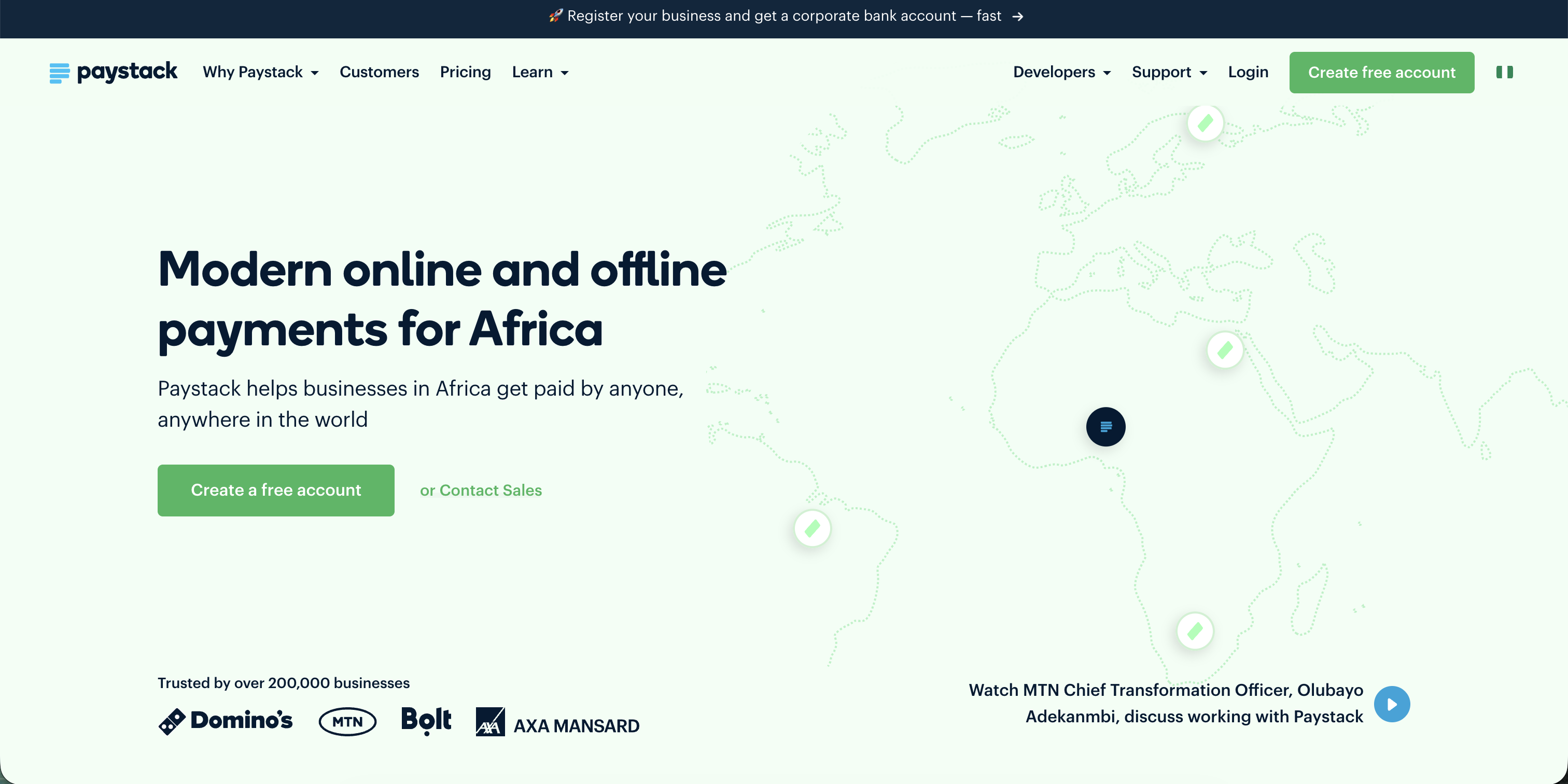
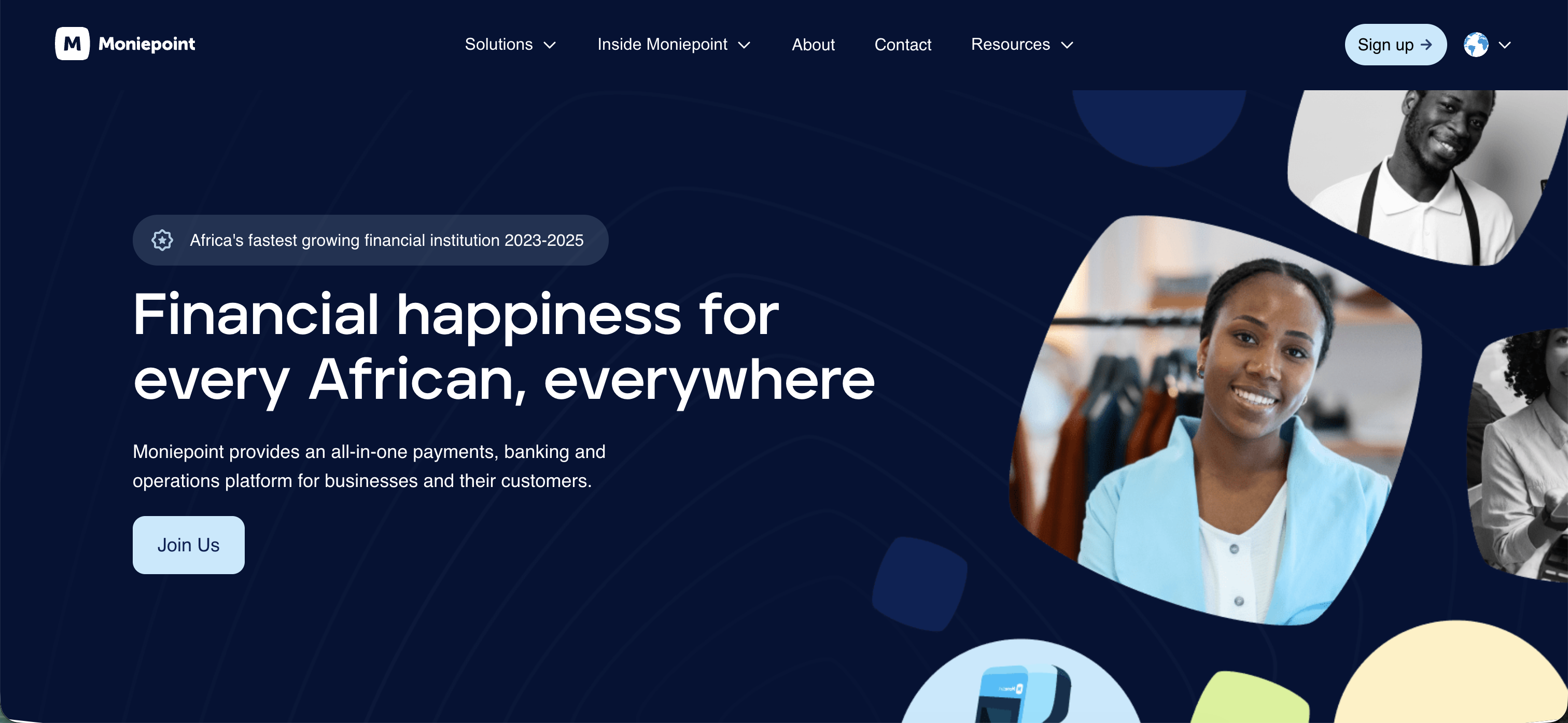
Payment fintechs process digital transactions between consumers, merchants, and banks. Paystack, Flutterwave, and Interswitch dominate the B2B payment gateway space, while OPay, PalmPay, and Moniepoint lead consumer-facing mobile payments.
Moniepoint processed NGN412 trillion (approximately $294 billion) in 2025 alone, making it the largest payment infrastructure player in Nigeria by transaction volume.
How big is the payments segment in Nigeria? It contributes the lion's share of Nigeria's projected $6 billion fintech GDP contribution for 2026. Paystack alone powers over 200,000 businesses and handles 3 billion API requests at 99.992% uptime.
Digital lending apps like FairMoney, Carbon, and Branch use alternative credit scoring (airtime top-up patterns, utility payments, social commerce data) to approve loans in minutes.
Buy Now, Pay Later (BNPL) services are also growing, with platforms like CredPal and Carbon Zero giving consumers installment options at checkout.
The CBN now requires all digital lenders to hold valid licenses and cap interest rates. For a deeper look, see our complete guide to the best loan apps in Nigeria.
PiggyVest, Cowrywise, and Risevest lead the Savings Fintech category, helping millions of Nigerians save and invest through automated, app-based solutions.
These platforms offer naira and dollar-denominated investments, mutual funds, and fixed-income products. With inflation hovering above 30% through much of 2025, demand for tools that help users hedge against naira depreciation has been massive.
Insurance penetration in Nigeria sits below 1%, which makes it one of the biggest untapped fintech opportunities.
Companies like Curacel, Hygeia, and Casava are building API-first insurance infrastructure that lets other fintechs embed insurance products directly into their apps.
The 2025 Guidelines for Insurtech Operations created two classes of insurtechs: standalone (with reinsurance cover) and partnering (underwritten by licensed insurers).
Kuda, Sparkle, and VBank (now VFD Microfinance Bank) offer full banking experiences through mobile apps, no branch visits required.
In early 2026, the CBN upgraded several fintechs, including OPay, Moniepoint, and PalmPay, to national banking licenses. Flutterwave also secured a microfinance banking license.
Platforms like Chipper Cash, Grey, and Lemonade Finance help Nigerians send and receive money internationally.
This category has become critical for freelancers, remote workers, and diaspora remittances. We cover this space in depth in our complete guide to cross-border payments in Nigeria.
Nigeria received over $19 billion in diaspora remittances in 2024, and fintechs are capturing a growing share of that flow from traditional money transfer operators.
Why do fintechs win here? Speed and pricing. A traditional bank wire transfer to Nigeria might take 2 to 5 business days and cost $25 to $50 in fees. A fintech cross-border transfer settles within hours (sometimes minutes) at 0.5% to 2% of the transfer amount.
Moove (valued at $750 million) provides vehicle financing for ride-hailing drivers, while platforms like Migo and Fundall offer embedded finance solutions for e-commerce merchants. This category blends fintech with logistics and commerce, creating financing models that traditional banks rarely touch.
Want to compare specific fintech apps across these categories? Browse fintech categories on Liners for side-by-side comparisons with real user reviews.
The top fintech companies in Nigeria in 2026 are Flutterwave, Paystack, OPay, PalmPay, Moniepoint, Kuda Bank, Carbon, Cowrywise, and PiggyVest, nine firms collectively valued at $10.6 billion.
| Company | Valuation (USD) | Category | Key Metric |
| Flutterwave | $3.0 billion | Payments | Largest valuation; secured microfinance banking license in 2026 |
| OPay | $2.75 billion | Payments / Banking | 60 million+ users; upgraded to national banking license |
| Moniepoint | $1.0 billion | Payments / Banking | Processed NGN412 trillion in 2025; national banking license |
| Interswitch | $1.0 billion | Payments | Oldest payment infrastructure; powers Verve card network |
| PalmPay | $850 million | Payments / Banking | 35 million+ users; 15 million daily transactions |
| Moove | $750 million | Mobility Finance | Vehicle financing for ride-hailing drivers across Africa |
| Kuda | $500 million | Digital Banking | Leading neobank with millions of accounts |
| Paystack | $500 million | Payments | Powers 200,000+ businesses; launched Zap consumer product |
| Paga | $250 million | Payments | Pioneer in mobile money and agent banking |
Payments still dominate in Nigeria. Seven of the nine most valuable fintechs are primarily payments companies. But the banking license trend is reshaping the sector: OPay, Moniepoint, PalmPay, and Flutterwave have all secured CBN banking licenses and are becoming full banks.
Beyond the top nine, PiggyVest leads wealthtech, FairMoney and Carbon dominate digital lending, and Curacel is building API-first insurance infrastructure.
Fintech regulation in Nigeria is led by the Central Bank of Nigeria (CBN), with support from the Securities and Exchange Commission (SEC), the National Insurance Commission (NAICOM), and the Nigeria Deposit Insurance Corporation (NDIC).
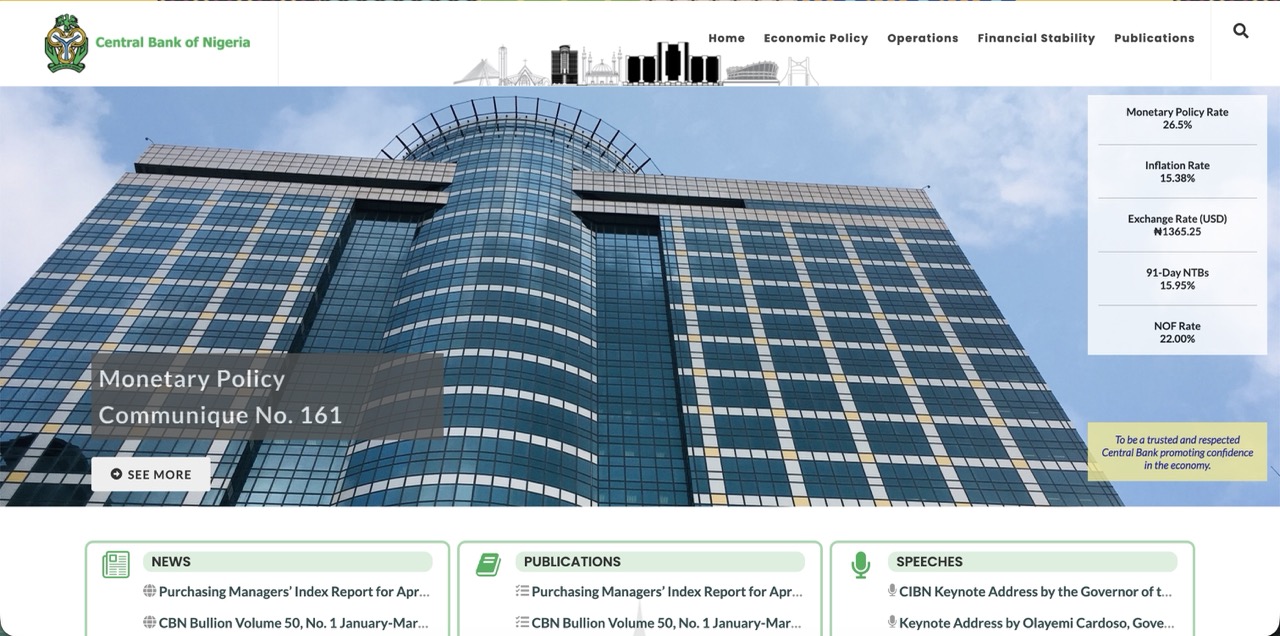
The regulatory environment has matured significantly since 2020, and 2025 was the most active year yet, with 13 major fintech regulations introduced.
The CBN's December 2020 circular created a four-category payment license classification under the Banks and Other Financial Institutions Act (BOFIA) 2020.
Payment Service Providers (PSPs) are now formally recognized as Other Financial Institutions (OFIs) under direct CBN supervision. Here are the main license types you should know about:
| License Type | What It Covers | Who Needs It |
| PSSP | Payment Solution Service Provider | Payment gateway companies (e.g., Paystack, Flutterwave) |
| PTSP | Payment Terminal Service Provider | POS terminal deployers and agents |
| MMO | Mobile Money Operator | Mobile money, e-wallet, and mobile banking operators |
| Switching License | Payment routing and switching | Companies that route transactions between banks and platforms |
| MFB License | Microfinance Banking | Fintechs offering deposit-taking and lending services |
Here is the list of the 13 major regulations introduced;
Nigeria was removed from the Financial Action Task Force (FATF) grey list at the October 2025 plenary in Paris, after completing a 19-point action plan to strengthen anti-money laundering and counter-terrorism financing frameworks.
What does this mean in practice?
International banks can now treat Nigerian partners the same as counterparties from other countries, without automatic extra screening.
That directly lowers the cost of cross-border business, speeds up onboarding for Nigerian fintechs with international partners, and opens access to cheaper capital from global debt markets.
CBN Governor Cardoso noted that the grey-listing had cost Nigeria an estimated $30 billion in lost investment potential.
Nigerian fintech has raised over $5 billion in the last five years, with 72% of all Nigerian startup equity going to fintech.
The top nine companies are collectively valued at $10.6 billion as of January 2026.
In 2025 alone, foreign capital inflows into Nigeria hit $20.98 billion in the first ten months, a 70% jump over 2024, with payments and digital banking attracting the largest rounds, and Web3 startups raising $43 million, more than double the previous year.
If you're an investor or founder looking for context on where the market is headed, verified data beats speculation. Liners tracks funding rounds, valuations, and investor activity across the Nigerian fintech ecosystem.
Payment gateway fees range from 1.4% to 3.9% per transaction, while digital loans carry monthly interest rates anywhere from 2% to 30%. Most consumer-facing fintech apps (wallets, savings, neobanks) are free to download and use for basic features, with fees kicking in on transactions, withdrawals, or premium tiers.
| Fintech Category | Typical Cost (NGN / %) | Notes |
| Payment Gateways | 1.4% to 3.9% per transaction | Paystack charges 1.5% + NGN100 (capped at NGN2,000); Flutterwave charges 1.4% local |
| Mobile Wallets | Free to open; NGN10 to NGN50 per transfer | OPay and PalmPay offer free peer-to-peer transfers under certain thresholds |
| Digital Loans | 2% to 30% monthly interest | CBN-licensed lenders tend to be on the lower end; unlicensed apps charge much more |
| Neobank Accounts | Free (basic); NGN500 to NGN2,000/month (premium) | Kuda's basic account is free; premium tiers add budgeting tools and higher limits |
| Savings/Investment Apps | Free to join; 0% to 1.5% management fee | PiggyVest and Cowrywise charge no upfront fees; some charge on withdrawals |
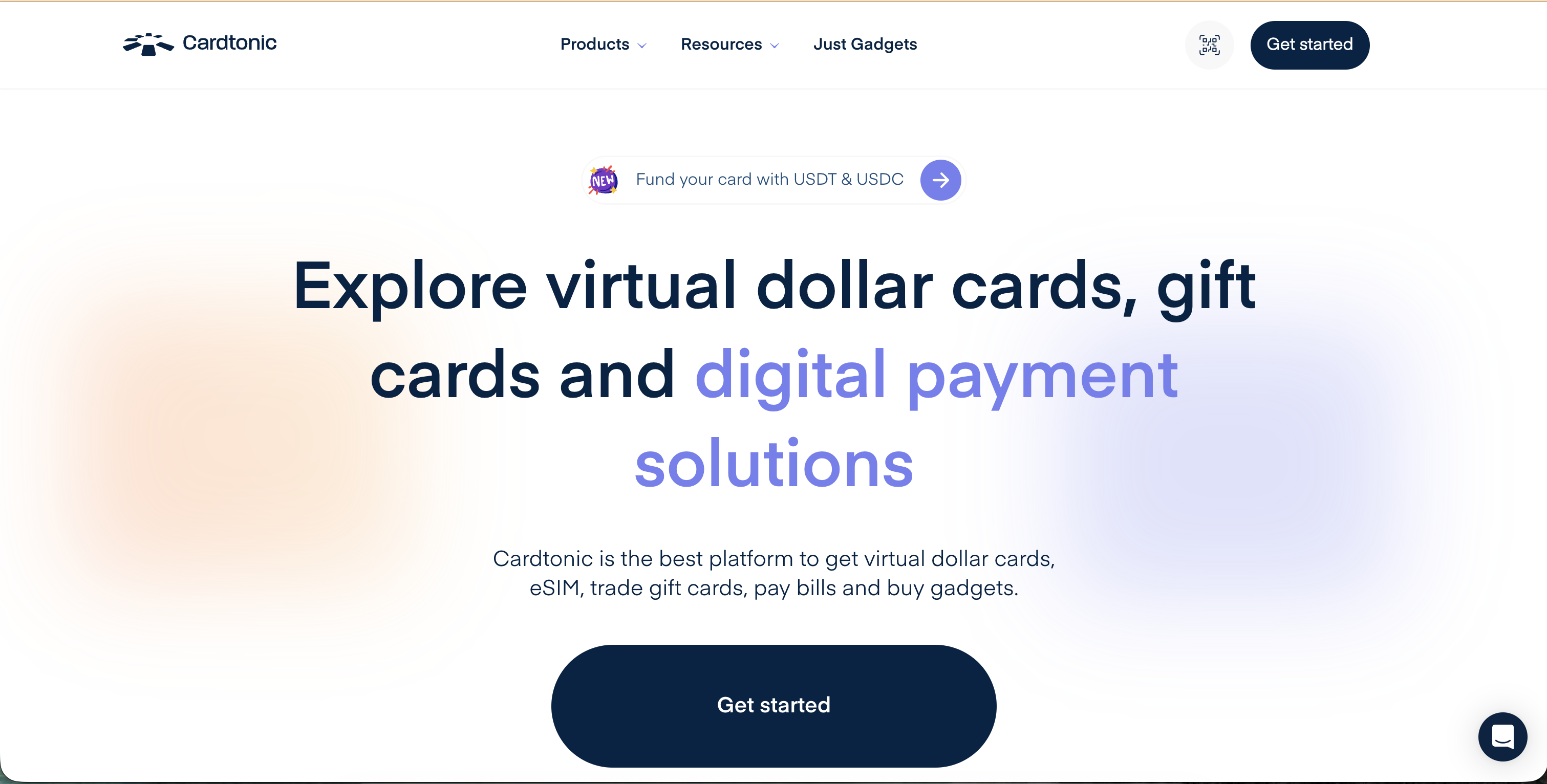
| Virtual Cards | NGN1,500 to NGN5,000 creation fee | Dollar cards for online shopping and subscriptions; monthly maintenance may apply |
| Cross-Border Transfers | 0.5% to 2% of the transfer amount | Rates depend on corridor, currency, and transfer size |
One thing to watch: as more fintechs compete in the same categories, fees are trending downward.
Transfer fees in particular are approaching zero for peer-to-peer transactions on platforms like OPay and PalmPay. That's good news for consumers, but it is pushing fintechs to find revenue in adjacent areas like insurance, lending, and premium subscriptions.
For detailed pricing breakdowns on specific products, check Liners' comparison pages, where we list exact fees, plan tiers, and hidden costs. You can also read our dedicated guides on virtual cards in Nigeria and bill payments in Nigeria for category-specific breakdowns.
Choosing the right fintech app in Nigeria starts with three questions: Is it CBN-licensed? What do actual users say about it? And does the pricing match your volume or use case? Here's a practical framework.
Nigerian fintech is accessible and fast, but carries real risks worth knowing before you commit money or personal data.
Fintech apps in Nigeria serve a wide range of users, from small business owners processing daily payments to freelancers receiving international income.
Here's who should be paying close attention to the space.
User feedback on fintech in Nigeria is mixed but trending positive. Across verified reviews on Liners, the biggest praise points are speed, convenience, and low fees, while the most common complaints involve customer support response times and failed transaction resolution.
"I switched from my traditional bank to OPay for daily transactions about a year ago. Transfers are instant, fees are lower, and I can pay for anything from airtime to electricity without visiting a branch. The only downside is customer support; when a transaction failed once, it took three days to get it resolved."
- Tunde, Lagos
"PiggyVest helped me save consistently for the first time in my life. The auto-save feature takes money from my account every week before I can spend it. In 18 months, I saved enough for a down payment on a car. The returns aren't spectacular, but the discipline it enforces is worth more than any interest rate."
- Amaka, Abuja
These experiences reflect a pattern we see across hundreds of fintech reviews: the products work well for their core use case, but support infrastructure hasn't always scaled at the same pace as user growth. That's something to factor into your decision.
The Nigerian fintech industry is entering its next phase, and 2026 is shaping up to be a defining year.
Open banking, AI regulation, M&A acceleration, and cross-border expansion are all converging at the same time. Here are the five trends that will reshape how the sector operates, competes, and serves users over the next 12 months.
The CBN is expected to roll out open banking protocols in 2026, which was launched in August 2025.
When this happens, third-party fintech apps will be able to access your bank data (with your consent) to offer more personalized products: credit scoring based on your actual bank history, automatic account aggregation across multiple banks, and smarter budgeting tools.
The most significant shift in 2026 has been the universal adoption of AI and machine learning across the Nigerian financial stack.
This is no longer experimental.
AI is now a regulatory and operational requirement for top-tier firms, used for credit scoring, fraud detection, KYC verification, and customer service automation. The CBN's proposed Fintech Trust and Safety Charter includes specific provisions for responsible AI use.
Mergers and acquisitions are expected to accelerate in 2026.
Licensing has become a speed-to-market strategy; instead of applying for a new license (which can take years), fintechs are acquiring licensed entities.
Flutterwave's microfinance banking license acquisition is a recent example of this trend. Expect more deals as larger fintechs absorb smaller, specialized players.
Not every company wants to become a fintech, but many want to offer financial services inside their existing products.
Embedded finance (where non-financial platforms offer payments, lending, or insurance through API integrations) is growing. This means your favorite e-commerce app, ride-hailing platform, or HR software might soon offer financial products powered by fintech infrastructure running in the background.
Think of it this way: a logistics company doesn't want to become a bank, but it might want to offer its drivers instant settlement after each delivery. A school management platform doesn't need a banking license, but it could embed tuition payment processing into its dashboard. This is where fintech infrastructure companies like Paystack, Mono, and Stitch make their money; they provide the rails that let non-financial companies plug in financial features without building them from scratch.
With Nigeria's FATF grey list exit removing a major barrier to international partnerships, expect Nigerian fintechs to expand more aggressively into other African markets and beyond.
Flutterwave already operates in 30+ countries. OPay has a growing presence in the Middle East and North Africa. The next wave of expansion will be fueled by cheaper cross-border capital and stronger regulatory credibility.
We'll continue tracking these developments with updated reviews, pricing comparisons, and category rankings as the Nigerian fintech space evolves.
Yes. Nigerian fintech is worth paying very close attention to in 2026 and beyond, whether you're a consumer choosing a savings app, a business owner picking a payment gateway, an investor evaluating the market, or anyone who moves money in or out of Africa's largest economy.
That doesn't mean everything is perfect, but Nigerian fintech keeps scaling at a pace that makes it one of the most important fintech markets globally.
Liners aggregates verified reviews, pricing data, and side-by-side comparisons across fintech categories so you can make informed software decisions without vendor spin. Whether you're choosing a payment gateway for your business, a savings app for your personal goals, or a lending platform for quick capital, start with verified data.
Transparency Note: Liners does not accept payment for rankings or favorable reviews. Our editorial coverage is independent of advertising. Products featured in this guide were selected based on market relevance, user data, and publicly available financial information.
Explore verified fintech reviews on Liners. Compare features, pricing, and real user experiences, all in one place.
Nigeria has over 430 fintech companies as of 2026, accounting for approximately 28% of all fintech firms in Africa. The number grew sharply from 255 companies in early 2024. Liners tracks many of these companies with verified user reviews and pricing data.
By valuation, Flutterwave is the biggest fintech company in Nigeria at $3 billion as of January 2026. By transaction volume, Moniepoint leads, having processed NGN412 trillion (approximately $294 billion) in 2025. By user count, OPay tops the list with over 60 million users.
Yes. The Central Bank of Nigeria (CBN) is the primary regulator for fintech companies. The CBN introduced 13 major fintech regulations in 2025 and published a comprehensive Fintech Policy Insight Report in February 2026. All payment, lending, and banking fintechs must hold valid CBN licenses.
The main types of fintech in Nigeria include payments and payment gateways, digital lending and BNPL, wealthtech and savings, insurtech, digital banking (neobanks), cross-border payments, and mobility/e-commerce finance. Payments is the largest category by revenue and transaction volume.
CBN-licensed fintech apps are generally safe, with deposits in licensed institutions protected by the NDIC. However, unlicensed apps (especially lending apps) carry real risks. Liners recommends verifying that any fintech app holds a valid CBN license before trusting it with your money or data.
Open banking is a framework that allows third-party fintech apps to access your bank account data (with your permission) through standardized APIs. The CBN approved open banking in 2025 but postponed the launch to 2026. When live, it will enable more personalized financial products and easier account switching.
You can compare fintech apps on Liners, which offers side-by-side comparisons of features, pricing, user reviews, and ratings across multiple fintech categories. Focus on licensing status, actual user feedback, and pricing for your specific use case when making a decision.
Nigeria was placed on the FATF grey list due to deficiencies in its anti-money laundering and counter-terrorism financing frameworks. The country completed a 19-point reform action plan and was removed from the list in October 2025, a move that restored an estimated $30 billion in investment potential.

Obsessed about the quality of content on Liners. Some say I'm TLDR Tara's Twin.


 Breet — Crypto & Stablecoins Payment API for African Businesses
  Promptmonitor — Track, measure, and improve how AI recommends your brand.
 Promptmonitor